Structural Drying & Dehumidification · Stamford

Structural Drying and Dehumidification in Stamford, CT

After the water is gone, the real drying begins. Our crew pulls moisture out of framing, subfloors, and the walls of Stamford homes until the readings prove it is truly dry.

Free Quote

Free Structural Drying & Dehumidification quote.

We reply within 1 business hour. No spam, ever.

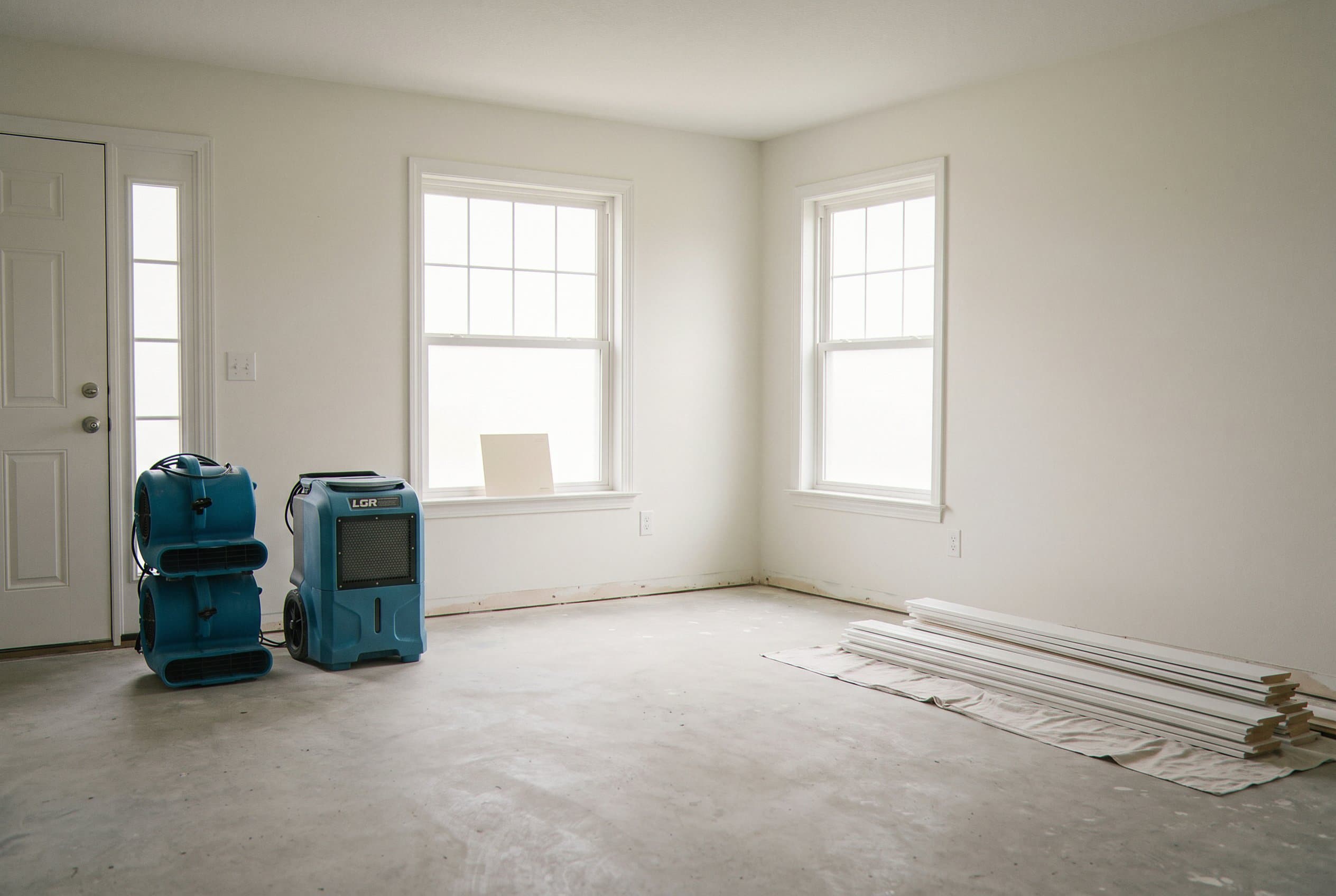
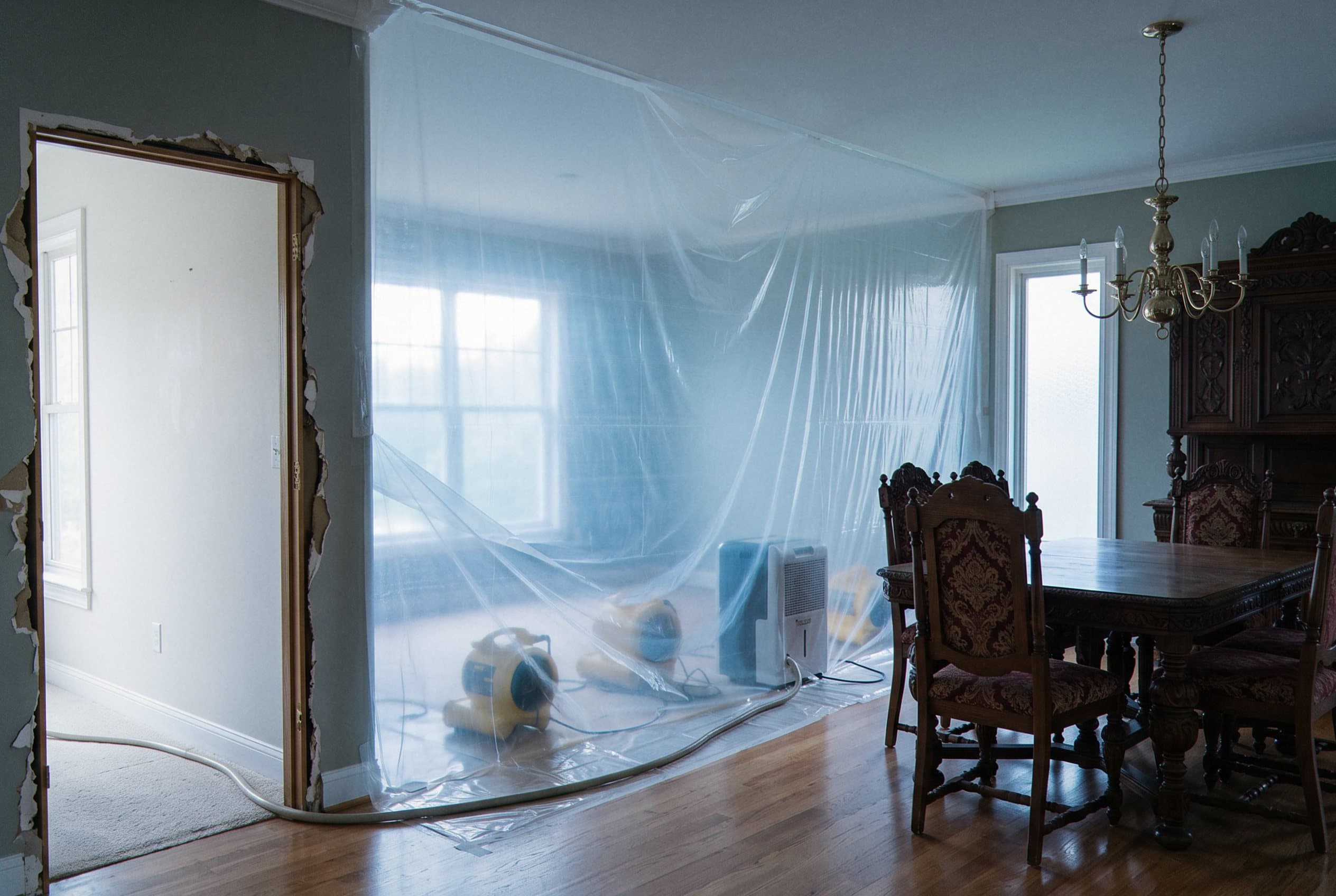
Air movers and dehumidifiers running in water-damaged room
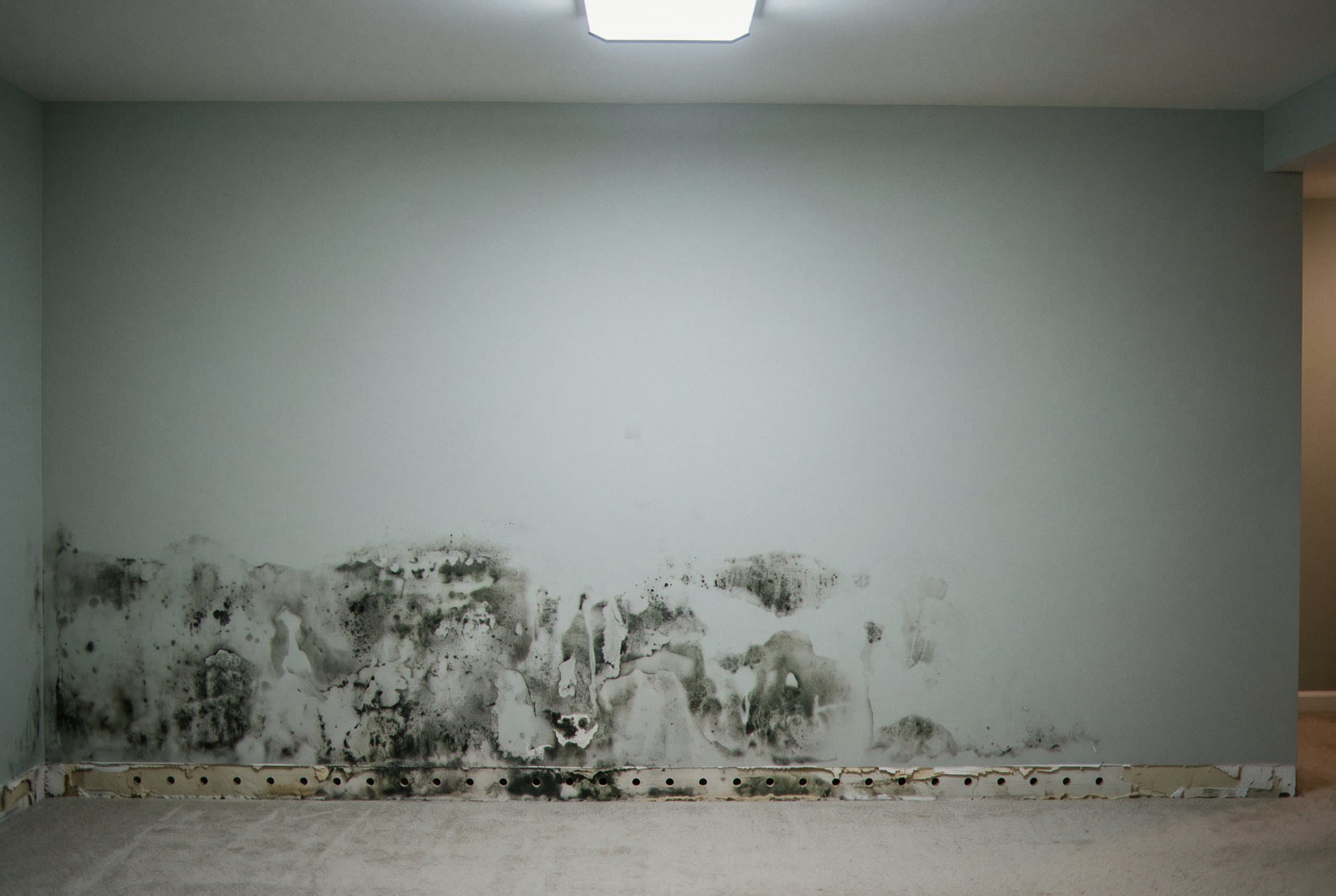
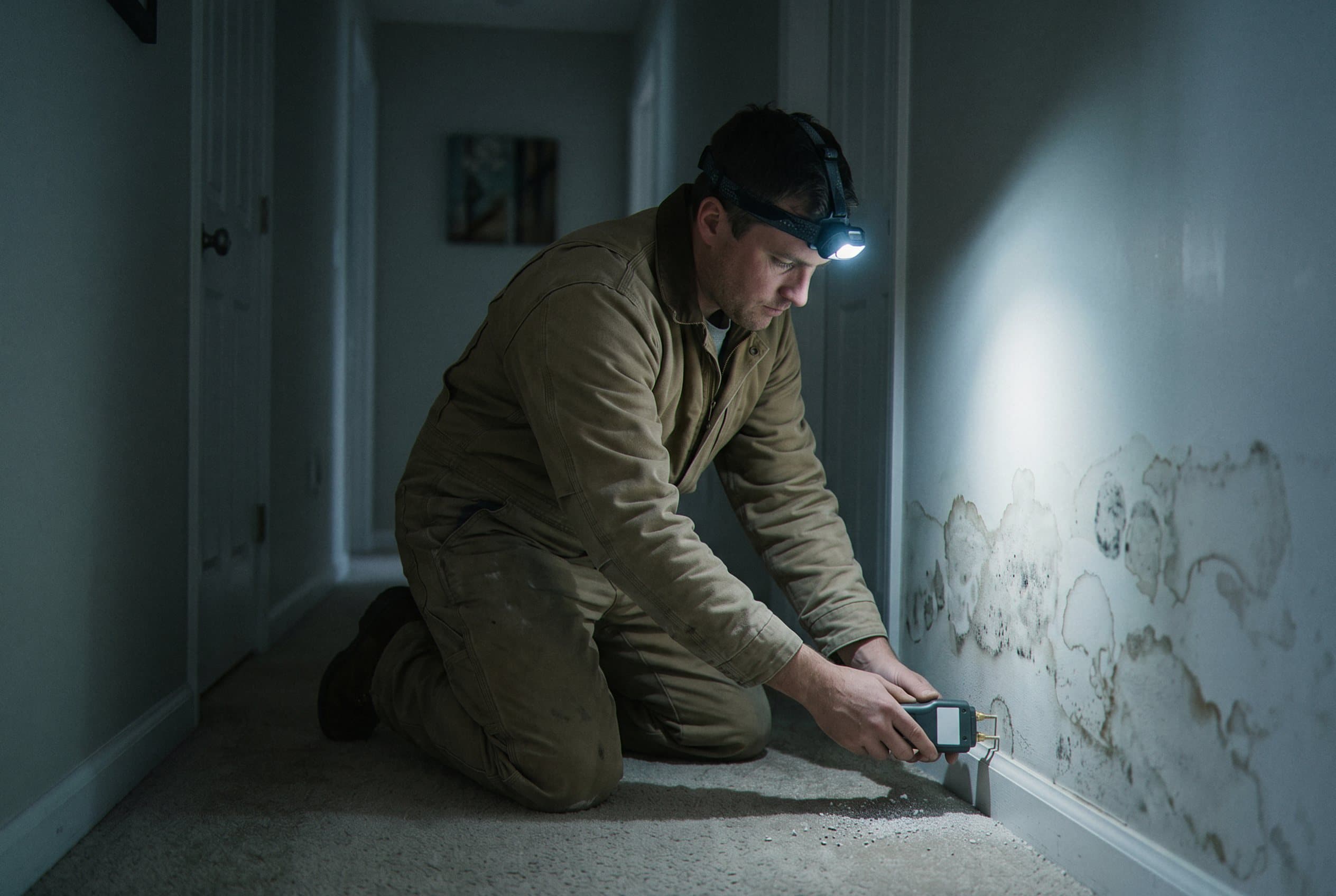
Visible water saturation marks on basement walls and floors
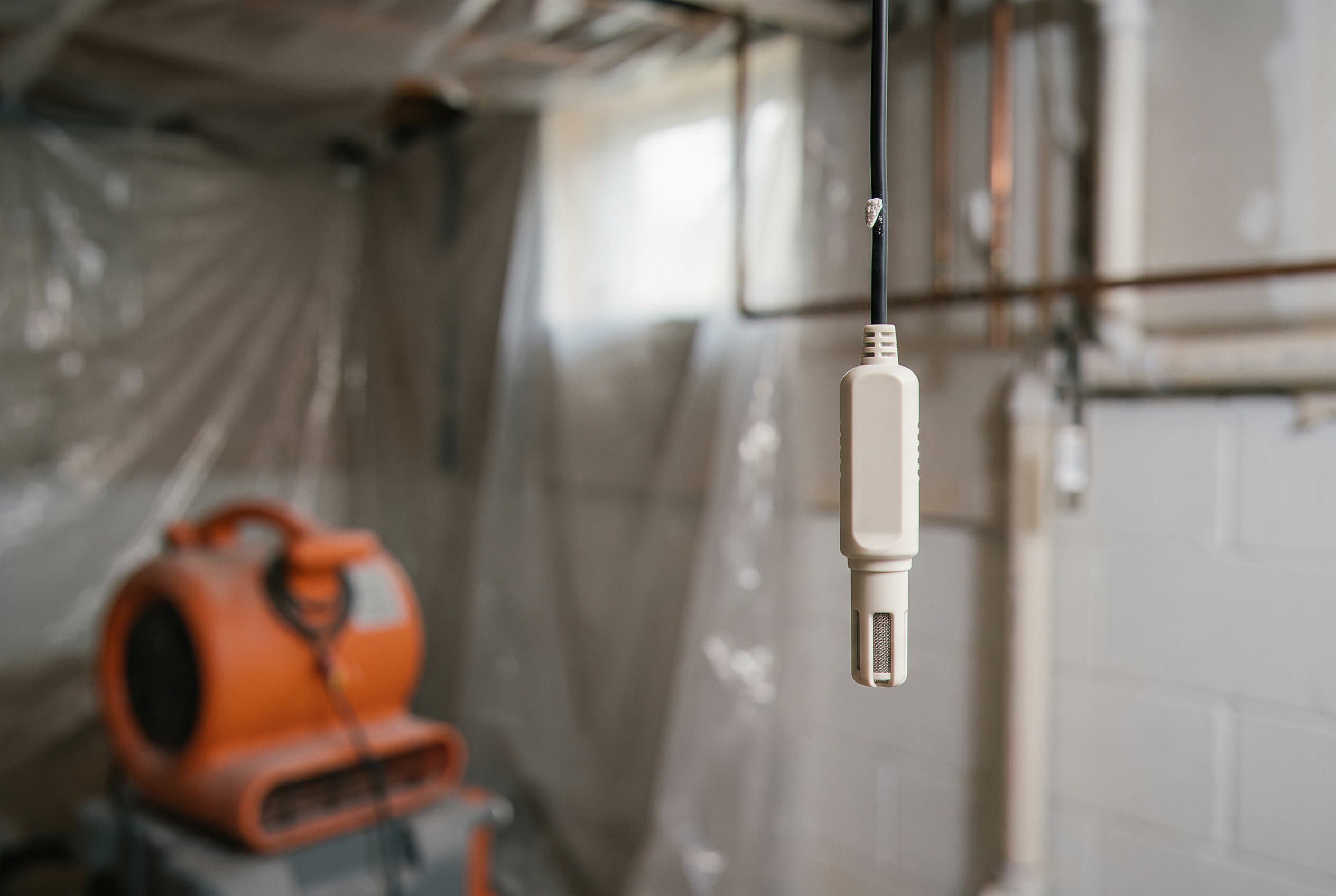
Moisture meter measuring water content inside wall cavity
What we install

Why structural drying matters after a Stamford water loss

When the standing water is out, your home is not dry yet. Water soaks into wood framing, into the subfloor, and deep into drywall where you cannot see it. In a Stamford basement after a heavy nor'easter or a burst pipe, that hidden moisture is what feeds mold and warps your floors weeks later. Our crew treats drying as its own job, not an afterthought. We set air movers and dehumidifiers, then we measure the moisture in your materials until it reads at a safe dry standard.

Drying is about physics, not guesswork. Warm moving air lifts water out of wet surfaces, and the dehumidifier captures that water vapor before it settles somewhere new. We follow the drying science set by the IICRC, the body that writes the water damage standard our trade works to. That means we map the wet zone, place equipment where the moisture actually sits, and track the numbers every day until your home is dry.

  • We dry the structure itself, not just the carpet, so warping and rot never get a foothold.
  • Moisture meters guide every move, so we know when your walls and floors are dry.
  • Faster, controlled drying means less of your home gets torn out and rebuilt.
  • We monitor daily and adjust the gear, so the job finishes at a real dry standard.
  • Catching trapped water early keeps mold from ever getting started in your Stamford home.
Surface dry is not structure dry. We stay until the meters agree the water is truly out.

Most homes in Stamford dry within a few days, though a soaked subfloor or a wet wall cavity can take longer. We do not pull our gear out early just to clear the job. The equipment stays until the readings prove the moisture is gone, because a wall that feels dry on the surface can still hold water inside. Each day we visit, log the numbers, and show you where things stand. When the readings hit the dry standard, we tell you the structure is ready for repairs.

If your Stamford home took on water, do not wait for it to dry on its own. Trapped moisture only does more harm the longer it sits. Call us and our crew will set up proper drying today, then see it through until your home reads dry and ready.
Materials

The drying gear we bring and how we use it

We do not hand you a fan and wish you luck. Proper drying needs the right mix of air movers, dehumidifiers, and moisture meters, all placed with a plan. Air movers sweep warm air across wet surfaces so water can lift off. Dehumidifiers then pull that vapor out of the room before it soaks back into your drywall or framing. The meters tell us, in real numbers, whether the plan is working or needs a change.

Where we place the gear matters more than how much of it we run. A wet wall cavity needs air pushed inside it, not just blown across the room. A soaked subfloor under your Stamford kitchen needs drying from the right angle, sometimes from below. We read the moisture map, set the equipment where the water actually hides, and move it as the wet zone shrinks. That is how a home dries fully without running fans for weeks on end.

  • Air movers to lift water off wet surfaces
  • Dehumidifiers that capture vapor from the air
  • Moisture meters that prove the dry standard
  • Daily monitoring until the readings hold
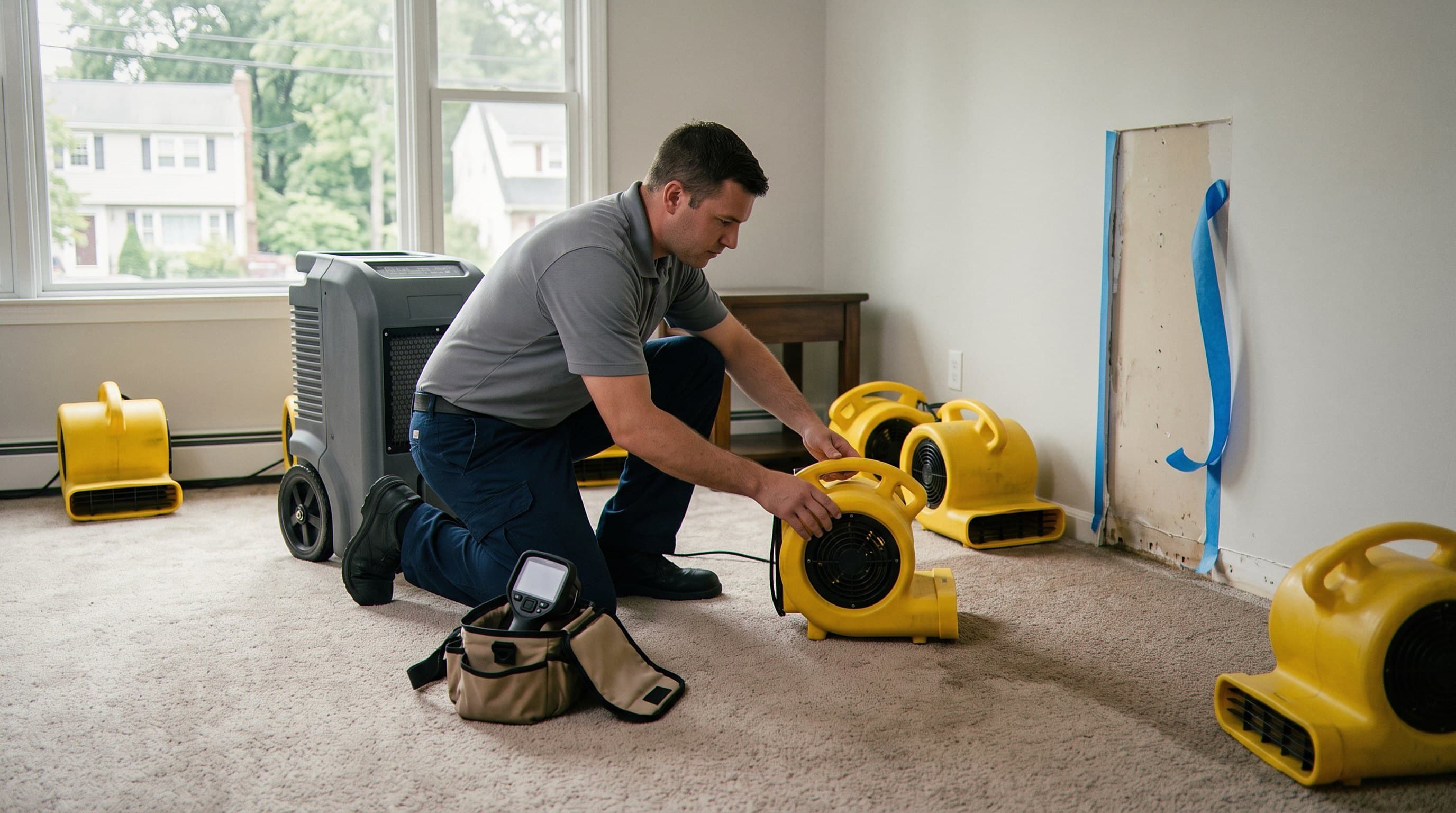
Industrial dehumidifier and air movers positioned for optimal airflow
Technician monitoring drying equipment and moisture readings daily
What about the alternatives?

Ways people try to dry a wet home, and what actually works

When water gets into your home, you have a few ways to handle the drying. Here is how the common options really compare for a Stamford property.

Full structural drying by our crew

We map the moisture, set air movers and dehumidifiers, and monitor daily until your home reads at the dry standard.

Recommended

Commercial dehumidifier rental

Better than nothing, but without moisture mapping you never know if the inside of a wall is dry.

Acceptable

Box fans from the hardware store

They move surface air, yet they cannot pull vapor out, so wet framing stays wet.

Acceptable

Opening windows and doors

On a dry day it helps a little, but Stamford humidity off the Sound often makes it worse.

Skip

Waiting for it to dry on its own

Trapped water feeds mold and warps wood long before the surface ever feels dry.

Skip

Tearing out every wet wall right away

Often you can dry materials in place and save the demolition, which keeps your repair smaller.

Acceptable
How it goes

From quote to walk-on, fast.

01

Your inquiry

Call or send the short form with what is going on at your place. A sentence or two is plenty for the first step.

02

We talk it through

We go over the situation on the phone, ask the questions that matter, and tell you what we would do next.

03

A clear plan

You get a plain-language rundown of the work, the order it happens in, and what to expect on the day.

04

The work gets done

Our crew shows up when we said, does the job, and walks you through the result before leaving.

Before you book

Straight answers about drying your Stamford home

We hear the same fair questions on most jobs. Here is how we answer them, plainly.

How long will the drying take?
Most Stamford homes dry in two to four days. A soaked subfloor or a deep wall cavity can run longer. We do not guess, we measure, and the gear stays until the readings prove the moisture is gone.
Do the fans really need to run that long?
Yes, and pulling them early is the most common drying mistake. A wall can feel dry on the outside while it still holds water inside. We watch the meters, not the calendar, so we stop at the right time.
Will you have to tear out my walls?
Often we can dry the materials in place and save them. We push air into wet cavities and track the moisture down. We only remove what truly cannot be dried, which keeps your repair smaller.
How fast can drying start in Stamford?
We aim to get equipment running the same day you call. The sooner the air movers and dehumidifiers are working, the less your home is at risk from mold and warping.
Is all that equipment noisy?
Air movers and dehumidifiers do make steady noise while they run. We place them to dry your home quickly so the gear comes out as soon as the readings allow, not a day later.
How do I know my home is actually dry?
We show you the numbers. A moisture meter reads your framing and floors against a dry standard, and we share each reading. When the materials hold at that standard, we call the structure dry.
Aftercare

Keeping your Stamford home dry after we finish

Once your home reads dry, a few simple habits keep moisture from creeping back. Stamford sits right on Long Island Sound, so humid summer air and wet winters are part of life here. These small steps protect the drying work we did and lower the odds of a repeat problem in your basement or lower level.

  • Run a basement dehumidifier through humid Stamford summers and empty it often.
  • Check around water heaters, washers, and sinks for slow drips every month.
  • Keep gutters and downspouts clear so storm water drains away from your foundation.
  • Watch for musty smells, which often signal moisture before you ever see a stain.
  • Insulate exposed pipes before winter so a freeze does not crack a line.
  • Call us early if water returns, since fast drying always beats a long cleanup.
Fully dried basement with equipment removed and room ready
FAQ

Questions Stamford owners ask about structural drying

Ready when you are

Let's make your next steps easier

Tell us what is going on at your Stamford home and we will walk you through the options. One call or one short form is all it takes.

Call (475) 268-8890Make your inquiry
CallContact us