
Emergency Water Removal · Stamford

Emergency Water Removal in Stamford, CT

When water floods your home, every minute counts. Our line is open day or night, and our crew gets to your Stamford property fast to pull the water out.

Free Quote

Free Emergency Water Removal quote.

We reply within 1 business hour. No spam, ever.

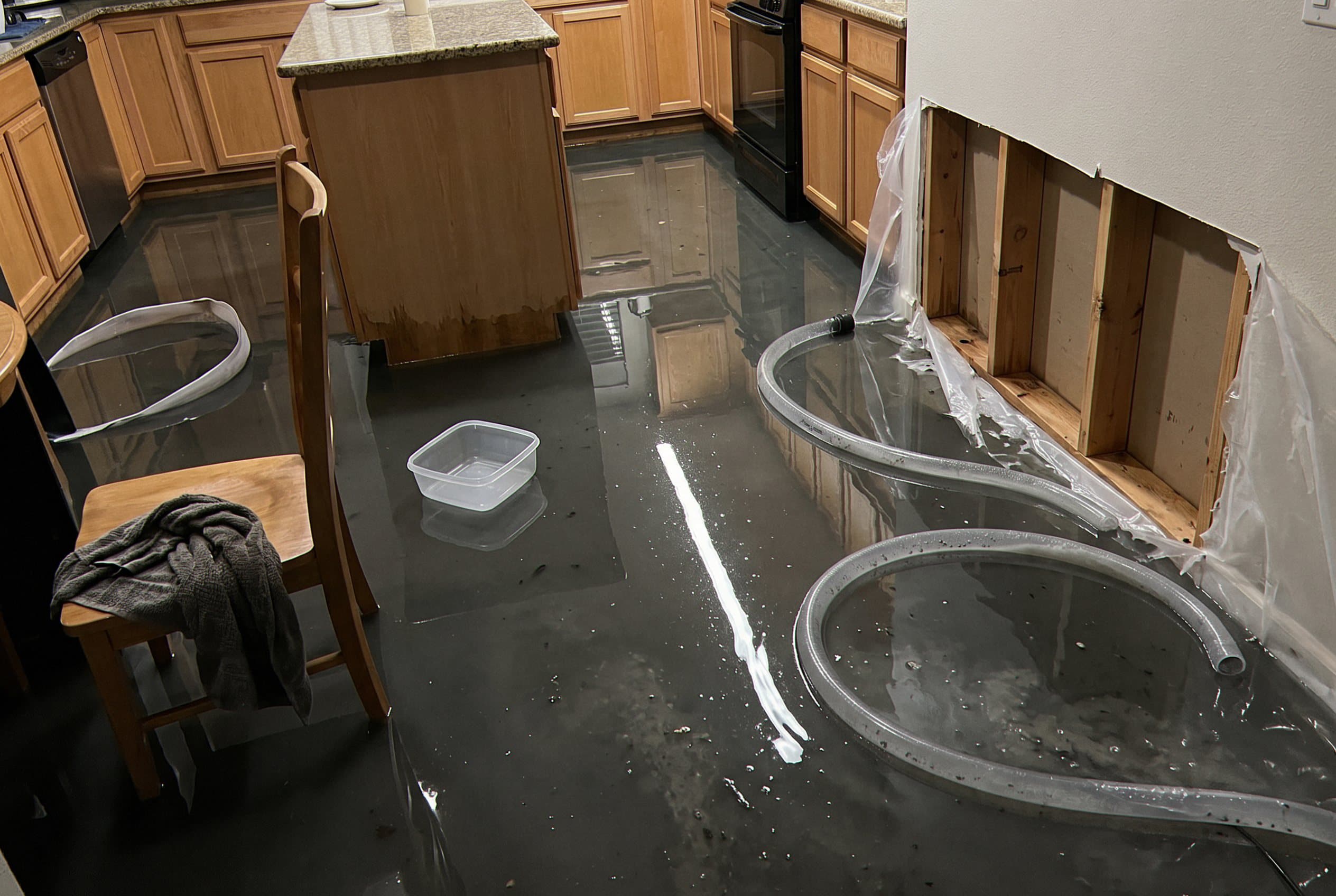
Flooded basement with standing water and saturated carpet
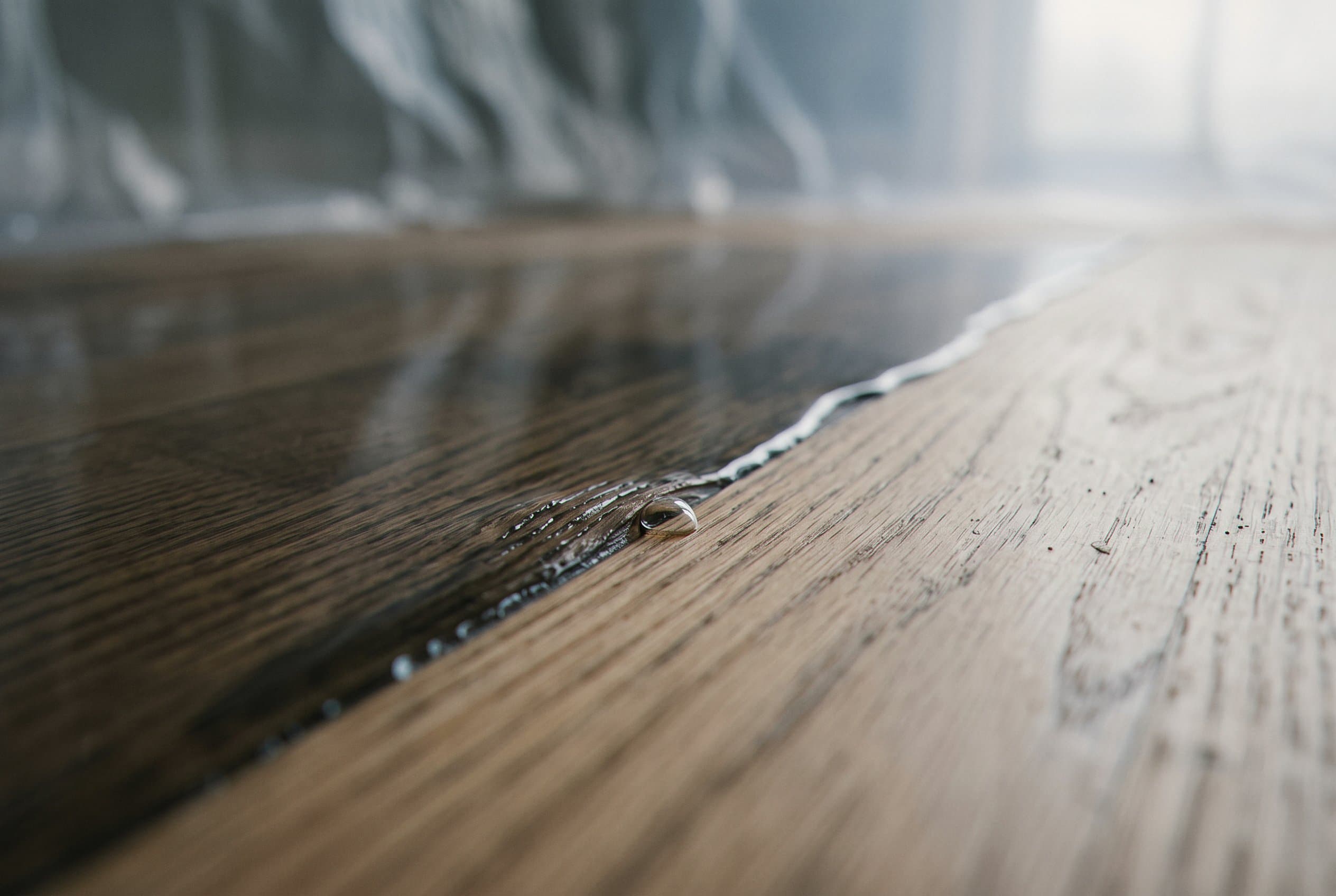
Close-up of water-damaged baseboards and drywall
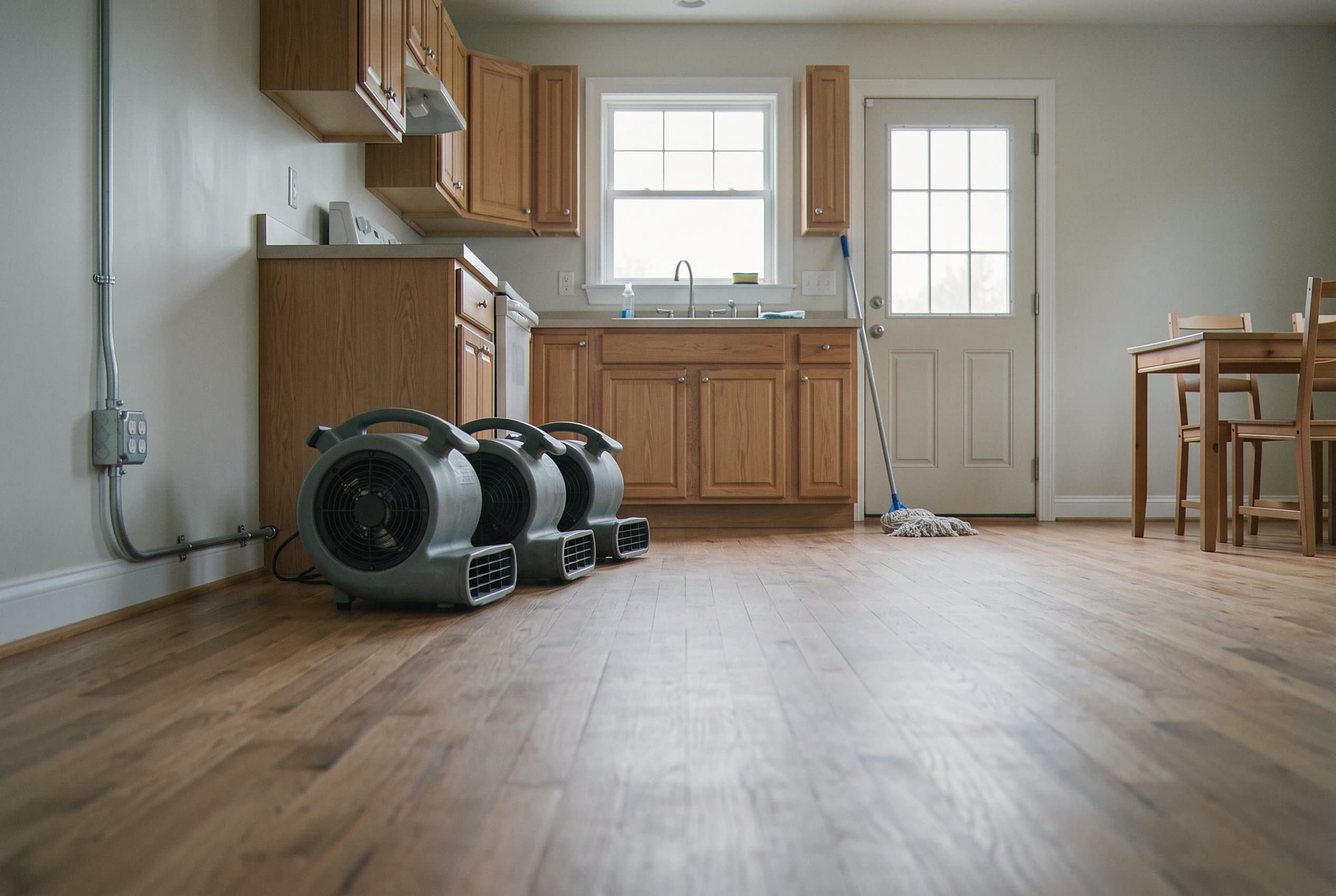
Dried basement floor ready for restoration work
What we do

Fast water removal for Stamford homes and businesses

Water spreads quicker than most people expect. A burst supply line or a backed up drain can soak a basement in under an hour, and the water keeps wicking up into walls, baseboards, and subflooring long after the visible puddle is gone. We answer when you call, load the truck, and head straight to your Stamford address. The faster we pull the water, the less it can ruin.

Our trucks carry truck mounted pumps and portable extractors so we can move standing water from any floor of your home. We work all of lower Fairfield County, from the South End and Shippan near the Sound up through Springdale, Glenbrook, and North Stamford. Coastal storms off Long Island Sound, heavy rain, and winter pipe breaks all send us out, and we treat each call the same way. We get there, we find the source, and we start removing water right away.

  • Our line stays open any hour, weekend or holiday, and we head out fast.
  • Powerful pumps and extractors clear standing water from basements and lower floors.
  • We trace the source first so the water stops coming before we dry.
  • Moisture meters tell us where water hides inside walls and under floors.
  • We document the damage so your insurance claim moves without a fight.
The faster the water comes out, the more of your home we can save.

Removing the water you can see is only the first step. We use moisture meters and thermal cameras to find the water that soaks into drywall, insulation, and the spaces under your floors. Left alone, that hidden moisture feeds mold and warps wood for weeks. Once the standing water is gone, we set the stage for drying by pulling soaked carpet pad, opening wall cavities where needed, and hauling out ruined material. By the time we leave the first visit, the worst of the water is out and the structure is ready to dry.

If your Stamford basement is filling or water is spreading across a floor right now, call us. We will tell you what to do in the moment, then get a crew rolling to your door. There is no waiting on a callback and no runaround. You talk to the people who do the work.

Materials

The gear we bring to a Stamford water call

Pulling water fast takes the right tools, not gadgets. Our trucks carry submersible pumps for deep standing water, truck mounted extraction units for volume, and portable wands for tight spots like closets and stairs. For finding hidden water we rely on pin and pinless moisture meters plus thermal cameras that show cold wet patches behind a wall. None of this is for show. Each piece earns its place by getting your home dry sooner.

After the bulk water is out we switch to drying equipment. High volume air movers push air across wet surfaces while dehumidifiers pull the moisture out of the air so it cannot settle back into your walls. In a flooded Stamford basement we may run several units for days, and we check the readings each visit until the numbers match dry. We size the setup to the room, not the other way around, so nothing stays damp longer than it needs to.

  • Submersible and truck pumps for deep standing water
  • Moisture meters and thermal cameras to find hidden water
  • Air movers and dehumidifiers sized to the room
  • Daily moisture readings until the structure reads dry
What about the alternatives?

Your options when water floods a Stamford property

When water hits, you have a few ways to respond. Here is an honest look at each one and where it leaves you.

Call us right away

Our line is open at any hour. We pull the water fast and start drying on the same visit, which is the path that saves the most of your home.

Recommended

Run a wet vacuum yourself

A shop vac handles a small spill. For a flooded basement it cannot keep up, and it leaves water soaking inside the walls and the carpet pad where you cannot see it.

Acceptable

Rent pumps and fans

Rental gear moves some water. Sizing and placement are what decide whether a room actually dries, and most owners guess wrong and stay wet for days.

Acceptable

Mop and air it out

Towels help a tiny leak. They do nothing for water that has already wicked into framing and subfloor.

Acceptable

Wait and see if it dries

Standing water never waits. Give it a day or two and you risk mold, swollen wood, and a far bigger repair job than you started with.

Skip

Ignore a slow basement seep

A slow seep is sneaky. It rots the bottom plate and feeds mold behind the wall, and by the time you smell it the damage already runs deep.

Skip
How it goes

From quote to walk-on, fast.

01

Your inquiry

Call or send the short form with what is going on at your place. A sentence or two is plenty for the first step.

02

We talk it through

We go over the situation on the phone, ask the questions that matter, and tell you what we would do next.

03

A clear plan

You get a plain-language rundown of the work, the order it happens in, and what to expect on the day.

04

The work gets done

Our crew shows up when we said, does the job, and walks you through the result before leaving.

Before you book

Worried about something? Read this first

Most folks hesitate for the same handful of reasons. Here is where we stand on each.

How fast can you get to my Stamford home?
We aim to be rolling within the hour for an active flood. When you call we will give you a real arrival window and a few steps to take while you wait, like cutting the water at the main if you can reach it safely.
Can I reach you in the middle of the night?
Yes. Water does not keep business hours, so neither do we. Our line stays open when you call, day or night, weekend or holiday.
My basement floods every heavy rain. Can you help?
We can. We pull the water now, then walk the space to find why it keeps coming, whether that is grading, a failing sump, or a foundation crack near the Sound. You decide what to fix from there.
Will you work with my insurance?
We document everything with photos, moisture readings, and a clear scope before we touch a thing. That record is what your adjuster needs, and it keeps your claim moving.
Do I have to leave the house while you work?
Usually no. Most water removal happens in the basement or one affected area, and you can stay in the rest of the home. If power or safety is a concern we will tell you straight.
What if the water already soaked into the walls?
That is common, and it is exactly why we use meters and cameras. We open only what we must, dry the cavity, and put it back. Catching hidden water early is what stops mold before it starts.
Aftercare

Keep water out after we leave

Once your home is dry, a little upkeep keeps the next storm from turning into another emergency. Stamford sits low against Long Island Sound, and the same weather that flooded you once will come back around. These habits cost almost nothing and save you the worst calls.

  • Test your sump pump every few months, and keep a battery backup ready so it still runs through the power outages that come with every big coastal storm.
  • Clear your gutters and downspouts.
  • Twice a year, check the supply lines behind the washer, the sink, and the water heater for bulges, soft spots, or rust, and replace any that look tired before they let go.
  • Reseal foundation cracks as they show.
  • Slope the soil away from the house so rain drains off instead of pooling against the wall.
  • Know where your main shutoff is, and make sure every adult at home can reach it and turn it fast.
Flooded basement with standing water and saturated carpet
FAQ

Emergency water removal questions from Stamford owners

How fast can you get to my Stamford home?
Our line is open at any hour. A minute promise is easy to make and hard to keep once a coastal storm has half of Fairfield County calling the same afternoon, so instead we tell you when a crew is actually leaving, and stay on the line long enough to get your water shut off.
What can I do before the crew arrives?
Close the main valve if you can get to it dry. Do not go near the electrical panel, or any outlet that is under water. Take photographs of every room before anything is moved, and get anything wooden up off wet carpet, because the finish bleeds into the pad and that stain does not come out.
Do you handle the insurance side?
We build the documentation your adjuster is going to ask for: moisture readings recorded daily, photographs by room, and a written scope covering what was removed and what was dried. We deal with the adjuster directly. Whether the loss is covered is a question only your carrier can answer, and we do not guess at it for you.
How many days does drying take?
Usually three to five. Plaster and the heavy old framing in a lot of Stamford's colonials give up water slowly, so those sometimes go longer. We are not guessing at it. We meter the wood and the drywall every day, and the equipment stays until those numbers reach the IICRC dry standard.
Should I be worried about mold?
The clock on that is roughly 24 to 48 hours from when the material got wet. Beat it and you almost always avoid mold entirely. That is why we would rather set equipment at nine at night than first thing tomorrow.
Ready when you are

Let's make your next steps easier

Tell us what is going on at your Stamford home and we will walk you through the options. One call or one short form is all it takes.

Call (475) 268-8890Make your inquiry
CallContact us