How we deal with mold in Stamford homes
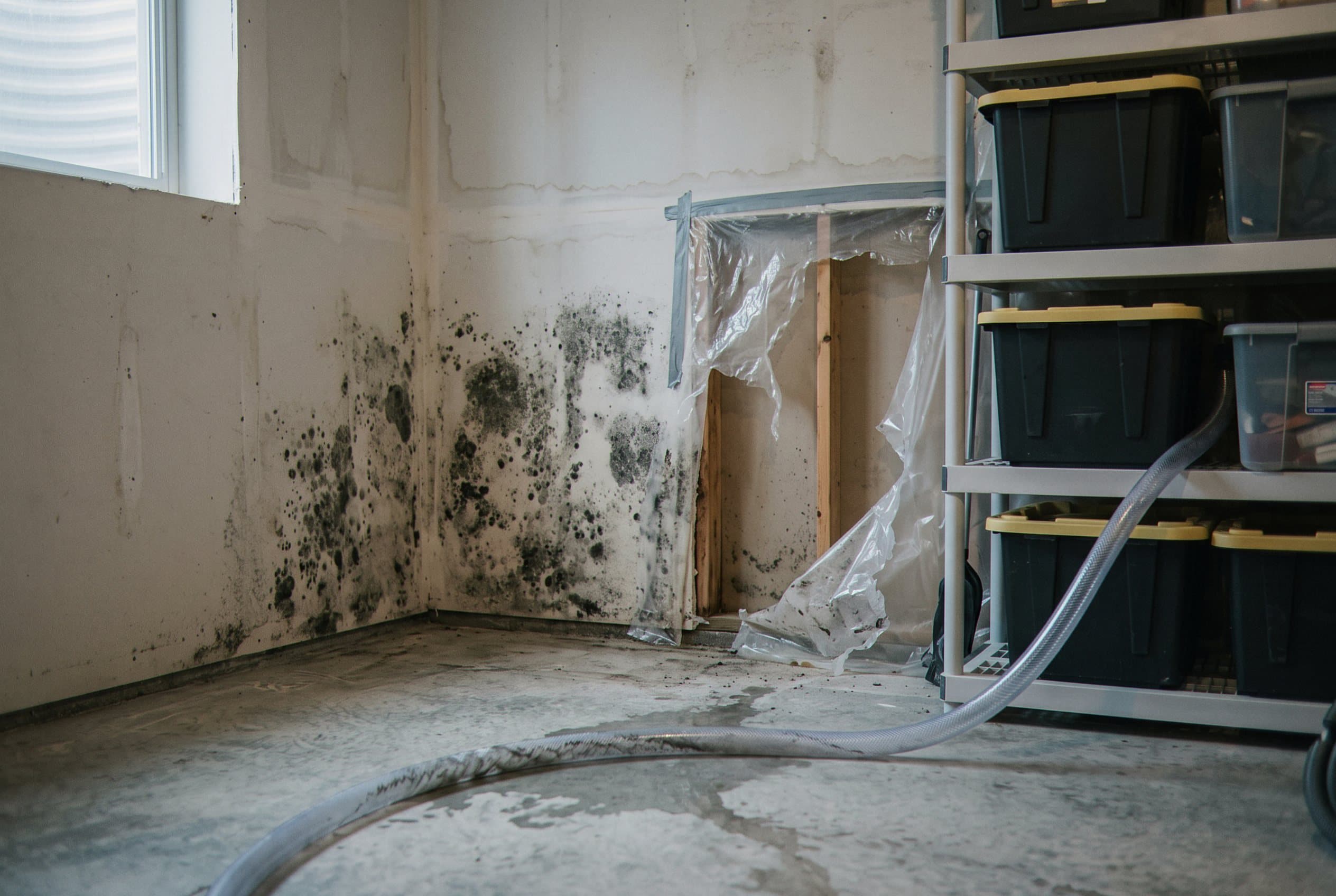
Mold rarely shows up on its own. In Stamford it follows water, and water is never far away here. A slow leak under a kitchen sink. A damp basement wall after heavy rain off Long Island Sound. A roof drip that soaked the attic over the summer. A flood that someone dried too fast and left wet inside the framing. Within a day or two the spores find that moisture and start to grow. By the time you see a stain or catch that musty edge in the air, the colony has often been at work out of sight for weeks. So we come out, read the moisture, and trace the source before we ever touch the growth you can see.
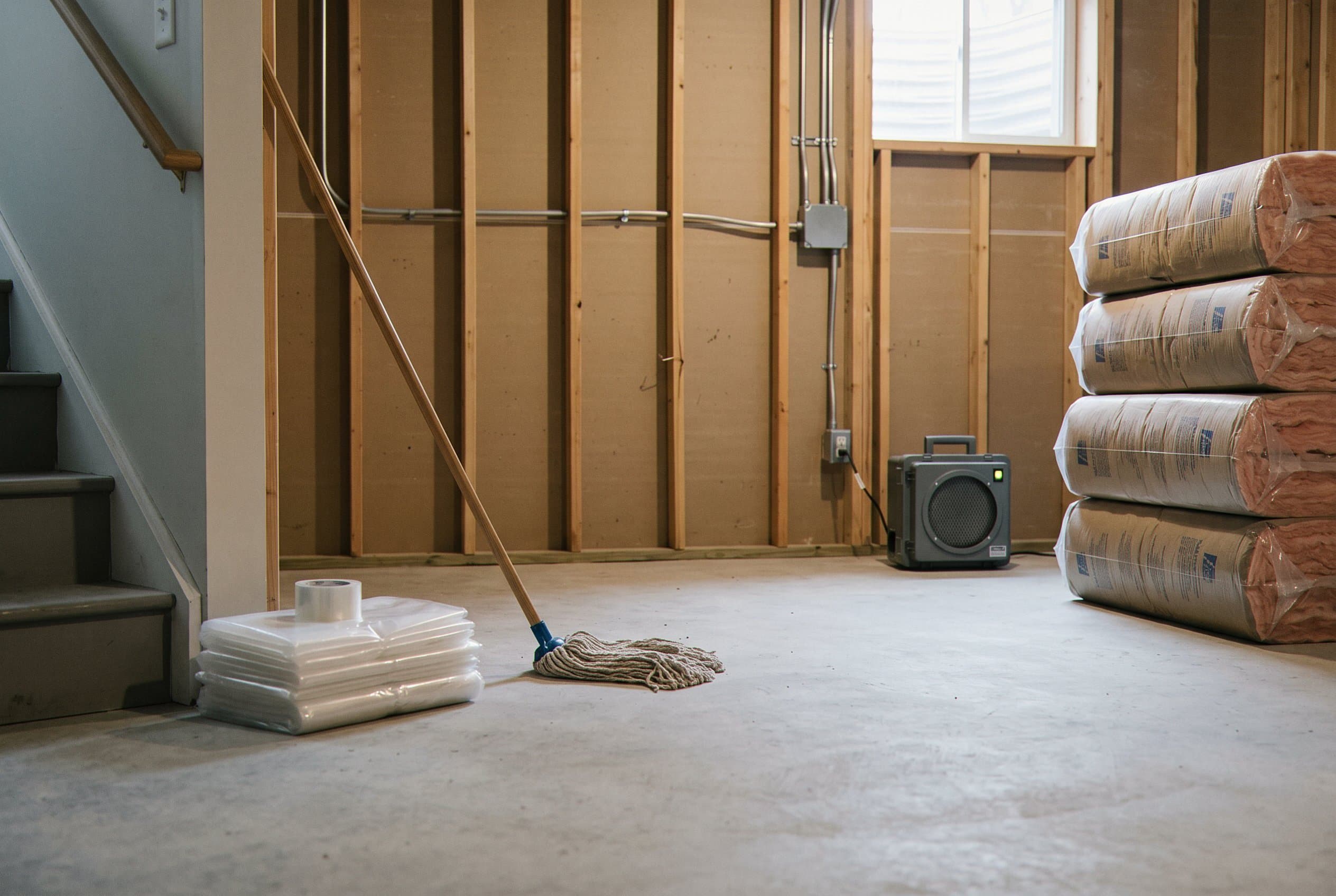
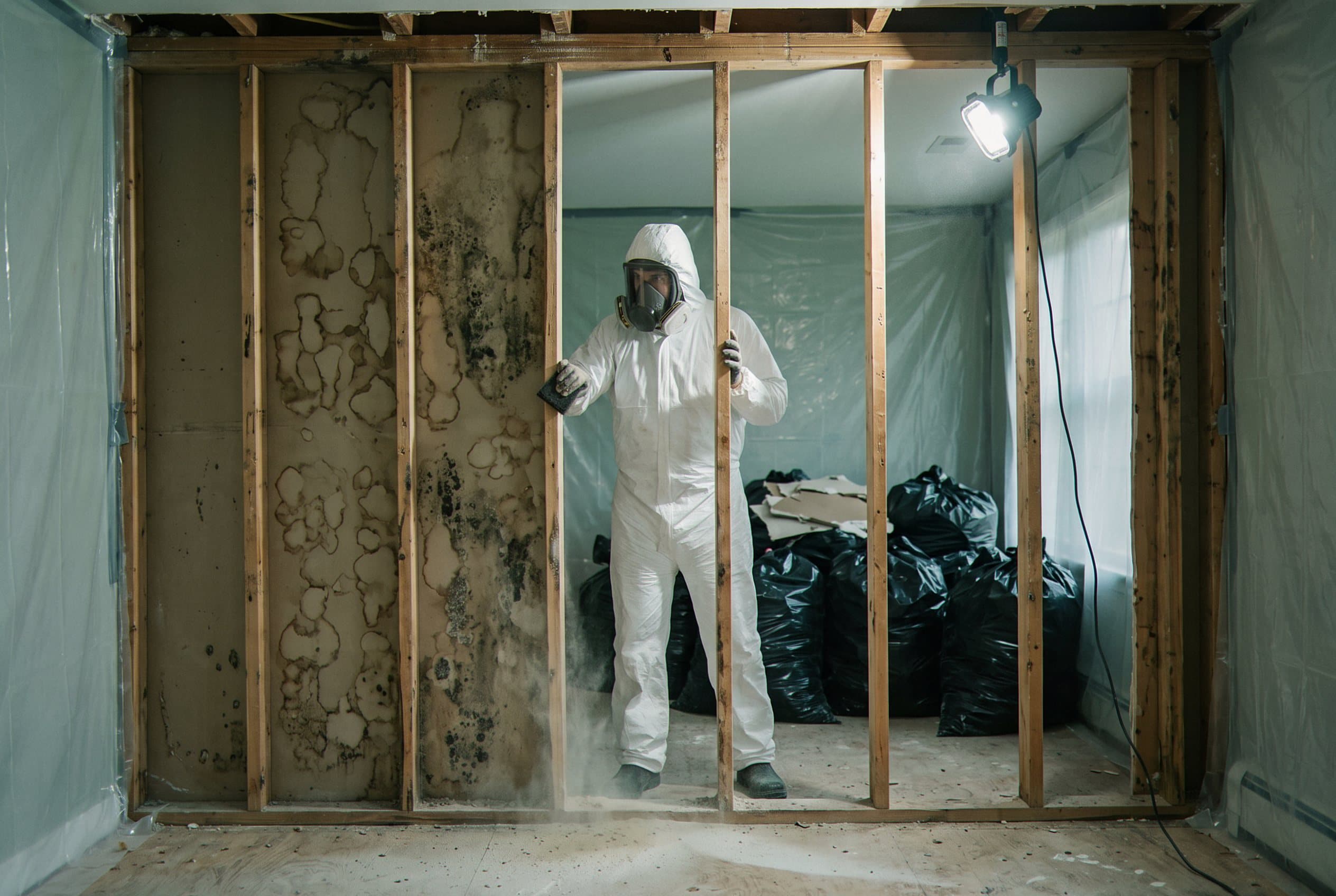
Our crew treats mold as a moisture problem first and a cleaning problem second. We use meters to map where the water has settled, which means inside walls, under flooring, behind cabinets, and down in the floor cavity where nobody thinks to look. Wiping a surface does nothing if the source stays wet. Once we know how far it reaches, we seal the work area, and that keeps spores from drifting into clean rooms while we cut and clean. We run air scrubbers fitted with HEPA filters and pull the air outward, so the room stays under negative pressure. We work to the IICRC S520 standard and the EPA guidance for mold cleanup. We remove what cannot be saved, clean what can, and dry the structure to a stable reading before we close it back up. Soaked drywall and ruined insulation come out. Solid framing gets cleaned and dried in place. We bag the waste and haul it out, so it does not shed spores on the way through your hall.
- We start by finding the water source, so the mold does not simply come back a few weeks after we leave. A patched wall over a wet leak is just mold in waiting.
- We seal off the work area and run HEPA air scrubbers under negative pressure, to keep spores out of the rooms you live in. Your kitchen and bedrooms stay clean while we work.
- We work to the IICRC S520 standard and EPA mold cleanup guidance on every job, so the work rests on real method and not guesswork.
- We log moisture readings before and after, so you can see the structure is truly dry and not just wiped down on top. You get the numbers, not a shrug.
- We take the job ourselves and book fast, because mold keeps spreading while you wait on a callback from someone else.
Stamford weather keeps the air heavy for a good part of the year. Humid coastal summers, wet springs, and the damp that lingers in basements all give mold what it needs. We see it across Springdale, Glenbrook, Shippan, and North Stamford. That is why we never stop at the patch you can see. We check the rooms next door, the back of the drywall, the floor cavity, and the basement air. Mold in one spot often means moisture hiding in another. When the cleaning is done, we tell you in plain terms what we found, what we took out, and what to watch for, so the same wall does not turn damp on you again.
If you see growth on a wall, smell something musty in the basement, or know a leak sat too long in your Stamford home, do not wait for it to spread further. Call us and tell us what you are seeing. We will walk you through the next step, set a time that works for you, and send our crew to find the moisture and clean the mold the right way.