
Sewage Cleanup · Stamford

Sewage Cleanup in Stamford, CT

When a sewer line backs up into your Stamford home, we answer the phone and send a crew the same day. We remove the waste. We clean and disinfect every surface it touched. Then we dry the space all the way down so your family can use the room again.

Free Quote

Free Sewage Cleanup quote.

We reply within 1 business hour. No spam, ever.

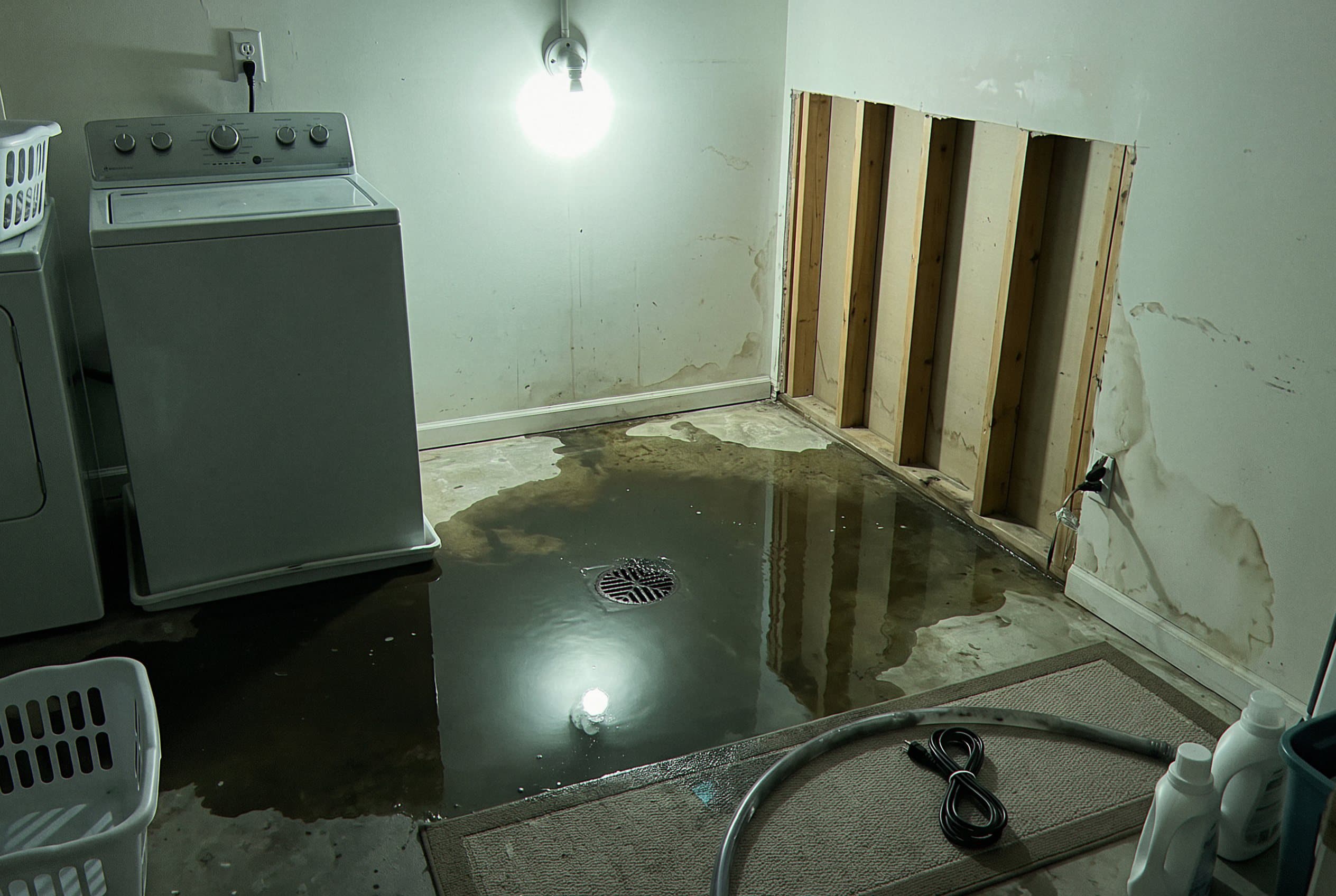
Basement contaminated with sewage backup water and debris
Close-up of sewage contamination on basement floor and walls
What we do

What our sewage cleanup crew does in Stamford homes

A sewage backup is not like a clean water leak. It is not something to wait on. The water that pushes up through a basement floor drain or a toilet carries bacteria and waste. The IICRC labels it Category 3, the most contaminated class of water there is. We treat it that way from the first minute on the phone. When you call, we ask what you are seeing and where the water is. We walk you through staying clear of the area until we get there. Then our crew loads the truck and drives straight to your Stamford home. Many of the backups we see here follow a hard rain off Long Island Sound. The older sewer lines under the street cannot keep up, and the water finds the lowest drain in the house. Other times it is a clogged line, a tree root in the pipe, or a sump pump that failed in a storm.

Once we arrive, the first job is to find the source and stop the flow. We pump out the standing waste. Then we bag and remove anything porous that the water touched. That means soaked carpet, the padding under it, and the lower part of the drywall. Hard surfaces like concrete, tile, and framing get scrubbed and treated. That keeps the bacteria from lingering in the room. We follow EPA guidance on cleaning and disinfecting after a sewage event. We write down each step so you have a clear record for your insurance. The goal is simple, and we say it plainly. We want the space clean enough that your kids could walk through it in bare feet again.

  • Same day response across Stamford and the nearby shoreline and North Stamford neighborhoods
  • Every backup handled as Category 3 black water, exactly the way the IICRC defines it
  • Full removal of soaked carpet, padding, and ruined drywall, hauled away by our own crew
  • Scrubbing and disinfecting of concrete, tile, and framing, following EPA cleanup guidance
  • Drying with commercial air movers and dehumidifiers so mold does not take hold later
A sewage backup is a health problem first and a cleaning job second. Our crew handles it in that exact order.

Timing matters more with sewage than with most water damage. The longer the waste sits, the deeper it soaks into wood and subfloor. The more it sits, the more bacteria spreads into the air you breathe. A cold Stamford basement can mask the smell for a day or two. The contamination keeps growing the whole time, and it can foul the air on the floors above. That is why we move fast and dry the space all the way down. We do not just clean the spots you can see on the surface. If the backup reached your furnace, your water heater, or stored boxes, we tell you what is safe to keep and what should go. You get a straight read on the damage from the people doing the work. There is no pressure and no upsell at the end.

If sewage has backed up anywhere in your Stamford home, call us now. We send a crew out, contain the mess, and start the cleanup the same day you reach us. You talk to the people who do the work, not a call center reading a script. We stay on the job until the space is clean, dry, and safe to use again. One call gets it started.

Materials

What we bring to a sewage cleanup in Stamford

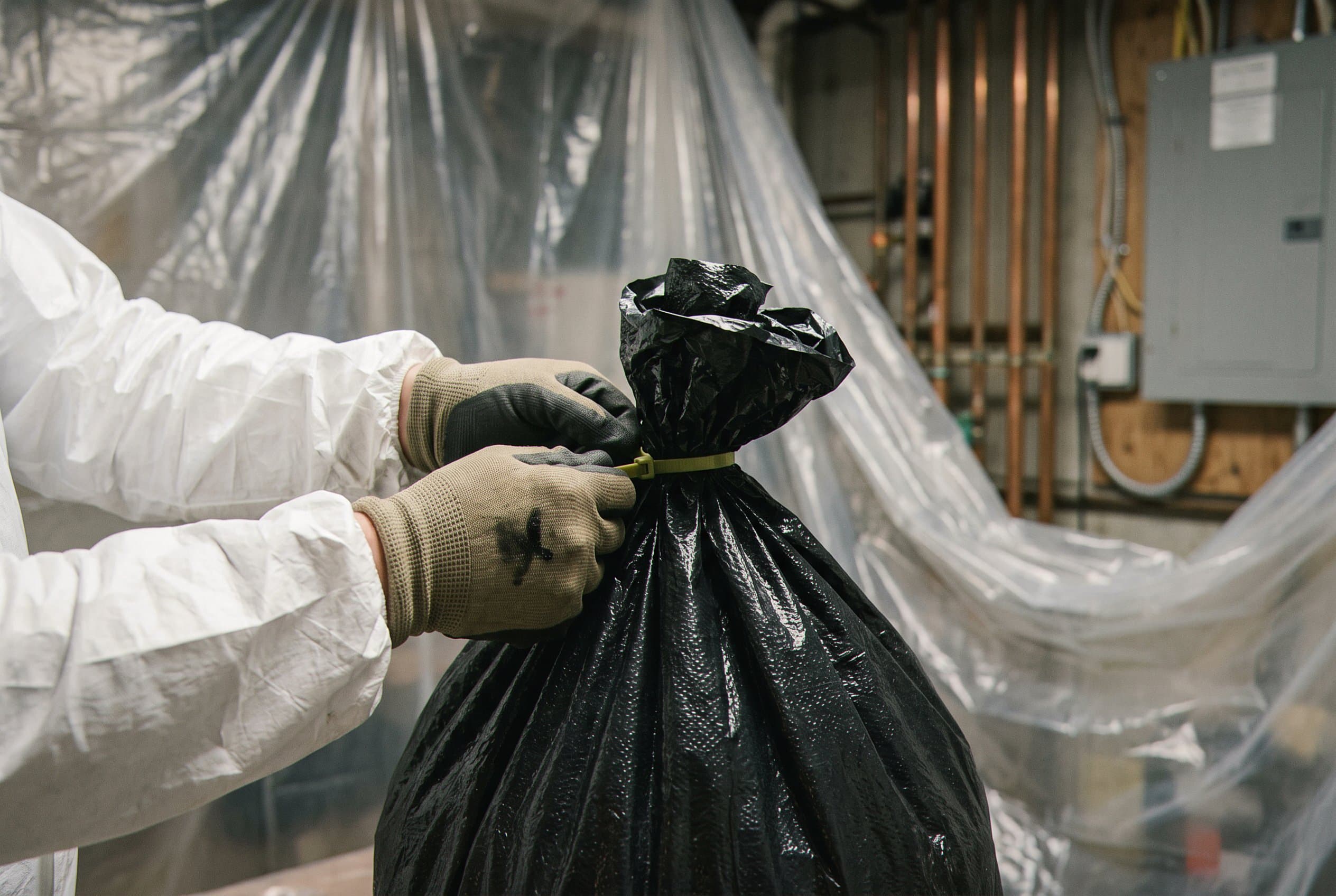
Sewage work needs blunt tools and careful handling. We show up with trash pumps that can move water thick with solids, plus wet vacuums for the last inch of muck on a basement slab. Our crew wears full protective suits, gloves, boots, and respirators, because the whole point is to keep the mess in the room and off everyone else. We bring rolls of poly sheeting to seal the work area and an air scrubber with a HEPA filter to pull the smell and the airborne junk out of the space while we work. Everything porous goes into heavy bags and out the door. Hard surfaces get a scrub, then a disinfectant left on for the full contact time the label calls for.

After the cleaning comes the dry out, and that gear matters just as much. We set air movers to sweep the slab and the open wall cavities, then run dehumidifiers to pull the water back out of the air. Moisture meters tell us what the framing and subfloor are really holding, and a thermal camera shows us the damp pockets we cannot see. We read those numbers each day and move the equipment as the room dries. The IICRC sets the standards our trade works to, and EPA guidance covers the cleaning side after a sewage event. We follow both. None of this gear is exotic. It is the working kit, run by a crew that does this week in and week out.

  • Trash pumps and wet vacuums for waste and standing water
  • Full protective suits, gloves, and respirators on every tech
  • HEPA air scrubbers and sealed poly barriers to hold the mess in one room
  • Moisture meters and daily readings until the room reads dry
What about the alternatives?

Ways people handle a sewer backup

A backup pushes you to decide fast, usually with a mess still spreading. Here is how the usual choices tend to play out, and where our crew fits in.

Call our crew the same day

We contain the room, pump out the waste, strip what cannot be saved, disinfect the hard surfaces, and dry the space until the meters agree.

Recommended

Call a plumber first

Smart move if the line is still blocked, though clearing the pipe and cleaning the room are two different jobs.

Acceptable

Mop and bleach it yourself

That knocks down the surface mess, but bleach does little on porous material and the water under the floor stays right where it is.

Acceptable

Run a rented fan and open the windows

Moving air helps a little. It removes no waste at all, and it can push foul air into rooms that were still clean.

Acceptable

Hire a general cleaning service

Most carry no protective gear, no pumps, and no meters, so the contaminated water simply stays in the structure.

Skip

Wait a few days and see if the smell fades

The smell fades long before the bacteria does, and waiting lets waste soak deeper into wood while mold gets started on top of it.

Skip
How it goes

From quote to walk-on, fast.

01

Your inquiry

Call or send the short form with what is going on at your place. A sentence or two is plenty for the first step.

02

We talk it through

We go over the situation on the phone, ask the questions that matter, and tell you what we would do next.

03

A clear plan

You get a plain-language rundown of the work, the order it happens in, and what to expect on the day.

04

The work gets done

Our crew shows up when we said, does the job, and walks you through the result before leaving.

Before you book

Straight answers to the questions we hear most

A backup is grim, and you want to know what happens next. Here is what Stamford homeowners ask us before we head out the door.

How fast can you start sewage cleanup in Stamford?
Usually the same day, and often within a couple of hours of your call. We work Stamford and the towns around it, so a crew is rarely far off. Tell us where the water is and how deep it sits, and we will tell you what to stay clear of until we pull up.
Is it safe to stay in the house?
The room with the backup is off limits until we have it sealed and cleaned. The rest of the house is usually fine if the water stayed on one level. If the backup is large, or the air smells strong on the floor above, we will say so plainly and help you sort out where to sleep.
Do I have to throw out everything the water touched?
No, but porous things are hard to save. Carpet, pad, soaked drywall, and cardboard have to come out. Metal, glass, sealed plastic, and finished wood can often be cleaned and kept. We sort as we go, and we show you what we are pulling and why before it leaves the house.
Will the smell finally go away?
Yes, once the source is gone and the room is dry. The odor lives in the waste, in the wet porous material, and in the damp air itself. We haul out the first two and dry the third, then run air scrubbers until the room smells like a room again.
Does my insurance cover a sewer backup?
That depends on the policy, since many carriers treat backup coverage as a separate add on. What we can do is document all of it with photos, written notes, and daily moisture readings. That record is what an adjuster wants to see, and it makes the whole talk easier for you.
What if it backs up again after you leave?
Call us. A repeat almost always points at the line itself, so we will tell you what we saw and what to have checked. Our job is the cleanup and the dry out, and we would much rather flag a pipe problem than clean the same floor twice.
Aftercare

Cutting the odds of the next backup

Once the room is clean and dry, the useful question is why the water came up at all. Plenty of Stamford neighborhoods sit on older sewer lines, and a heavy rain rolling in off Long Island Sound can load those lines past what they were ever built to carry. That part is not on you. Tree roots, cooking grease, and a sump pump that quit cause most of the rest, and those you can get ahead of. None of the steps below take much effort. Each one buys you margin the next time a big storm parks over Fairfield County for a day.

  • Have your main sewer line scoped every couple of years.
  • Ask a plumber about a backwater valve, which keeps the street line from pushing waste back into your house during a hard rain.
  • Keep grease, wipes, and paper towels out of every drain in the house, whatever the package label happens to claim.
  • Test the sump pump before storm season.
  • Store boxes and anything you care about up on shelves, off the basement floor, so a few inches of water costs you nothing.
  • Know where the floor drain sits, and keep the area around it clear.
Basement contaminated with sewage backup water and debris
FAQ

Sewage cleanup questions we hear from Stamford homeowners

How fast can you get to my Stamford home?
Our line is open at any hour. A minute promise is easy to make and hard to keep once a coastal storm has half of Fairfield County calling the same afternoon, so instead we tell you when a crew is actually leaving, and stay on the line long enough to get your water shut off.
What can I do before the crew arrives?
Close the main valve if you can get to it dry. Do not go near the electrical panel, or any outlet that is under water. Take photographs of every room before anything is moved, and get anything wooden up off wet carpet, because the finish bleeds into the pad and that stain does not come out.
Do you handle the insurance side?
We build the documentation your adjuster is going to ask for: moisture readings recorded daily, photographs by room, and a written scope covering what was removed and what was dried. We deal with the adjuster directly. Whether the loss is covered is a question only your carrier can answer, and we do not guess at it for you.
How many days does drying take?
Usually three to five. Plaster and the heavy old framing in a lot of Stamford's colonials give up water slowly, so those sometimes go longer. We are not guessing at it. We meter the wood and the drywall every day, and the equipment stays until those numbers reach the IICRC dry standard.
Should I be worried about mold?
The clock on that is roughly 24 to 48 hours from when the material got wet. Beat it and you almost always avoid mold entirely. That is why we would rather set equipment at nine at night than first thing tomorrow.
Ready when you are

Let's make your next steps easier

Tell us what is going on at your Stamford home and we will walk you through the options. One call or one short form is all it takes.

Call (475) 268-8890Make your inquiry
CallContact us