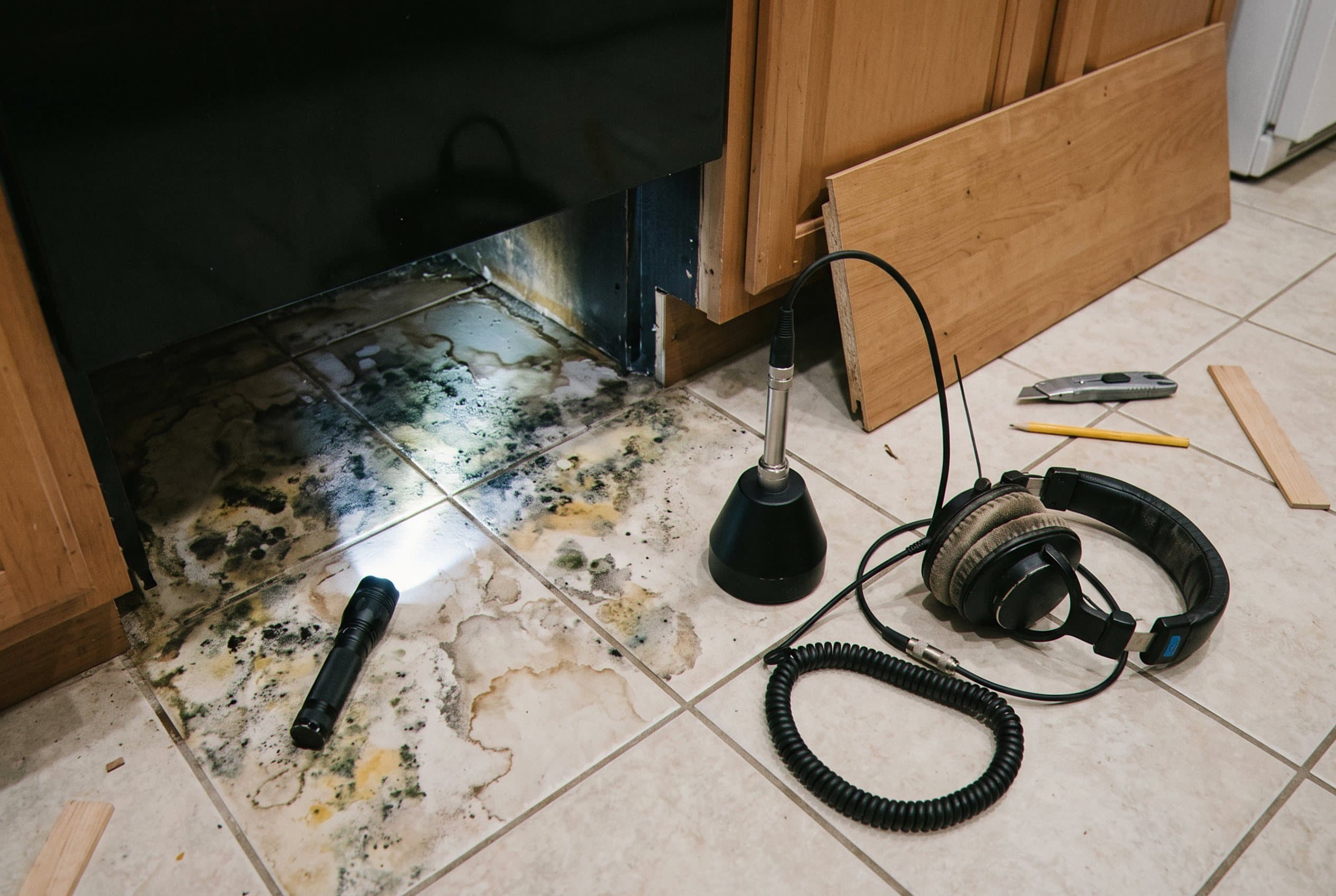
We trace the leak to its source, not just the stain on the wall
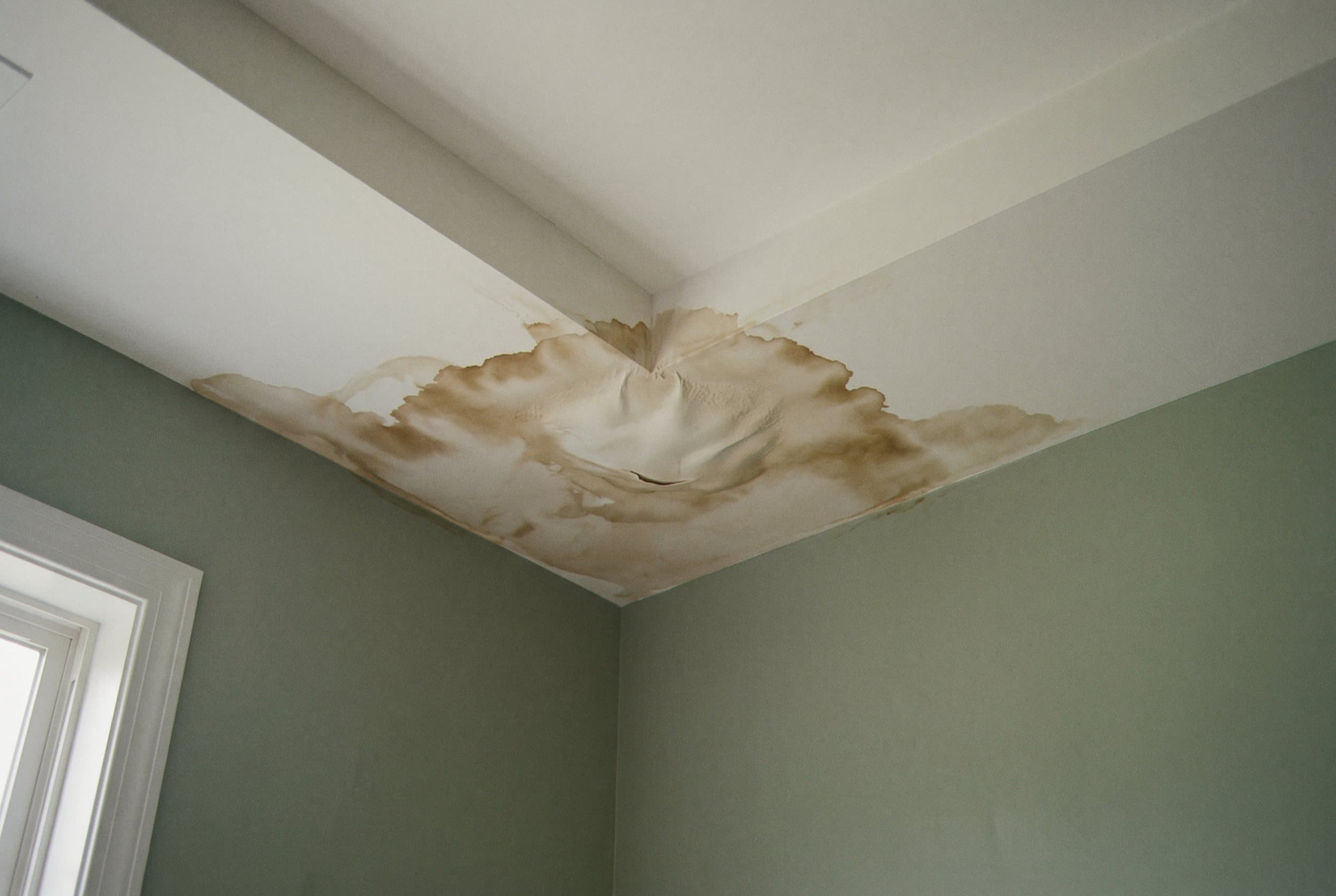
Water almost never shows up where it starts. A pinhole in a copper supply line behind a kitchen wall, a cracked drain under the slab, or a slow weep at a shower pan can travel along framing and floor joists and surface three rooms away from the real source. By the time you notice a soft spot underfoot, a musty smell that will not clear, or a brown ring spreading across a ceiling, the wet area is usually far larger than the part you can see. Chasing the stain alone wastes money and opens walls that were never the problem. We work every Stamford call the same way. First we ask what you saw, when it started, and where it seems worst. Then we walk the whole property, check the rooms above and below, and read the trail the water left behind on its way out.
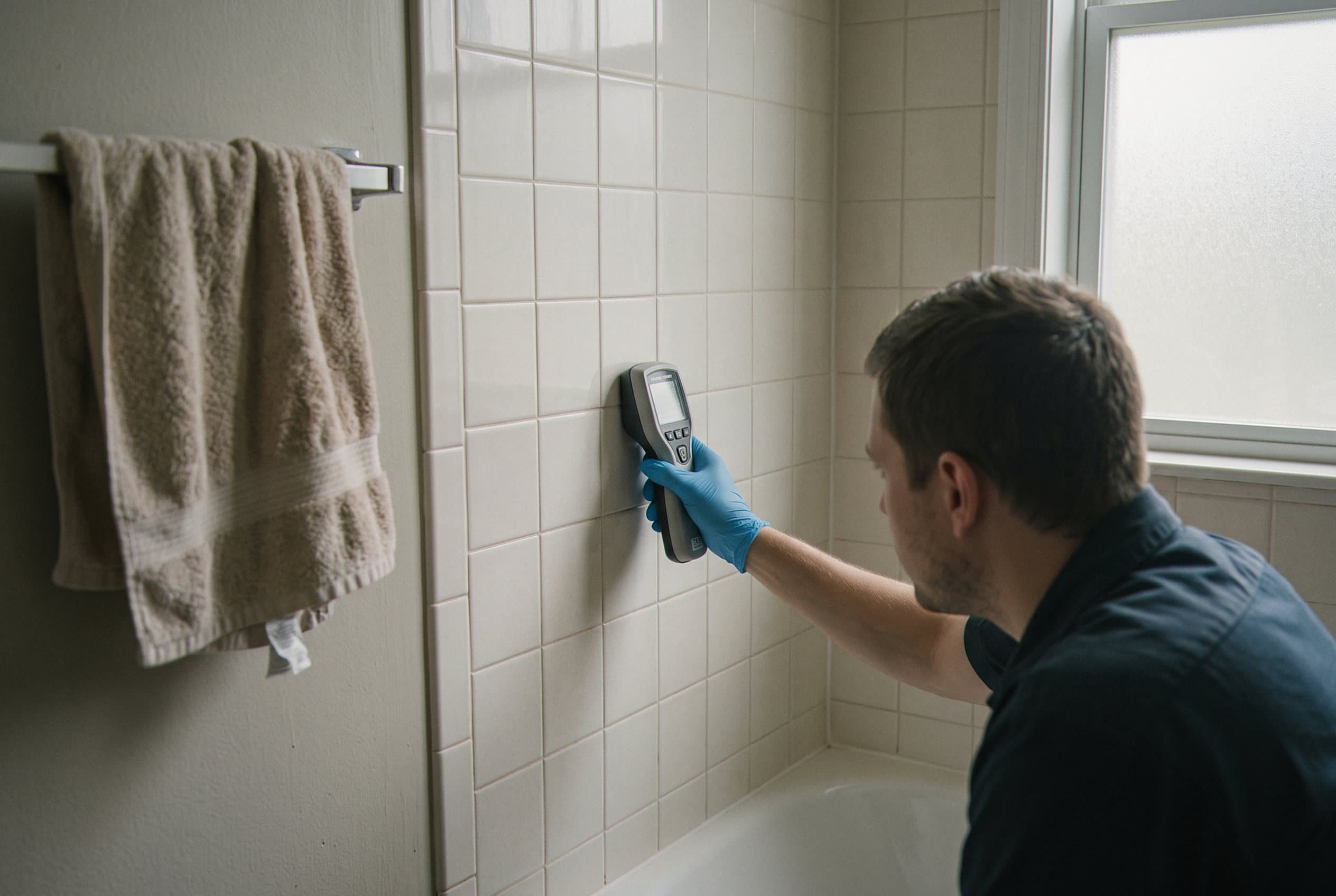
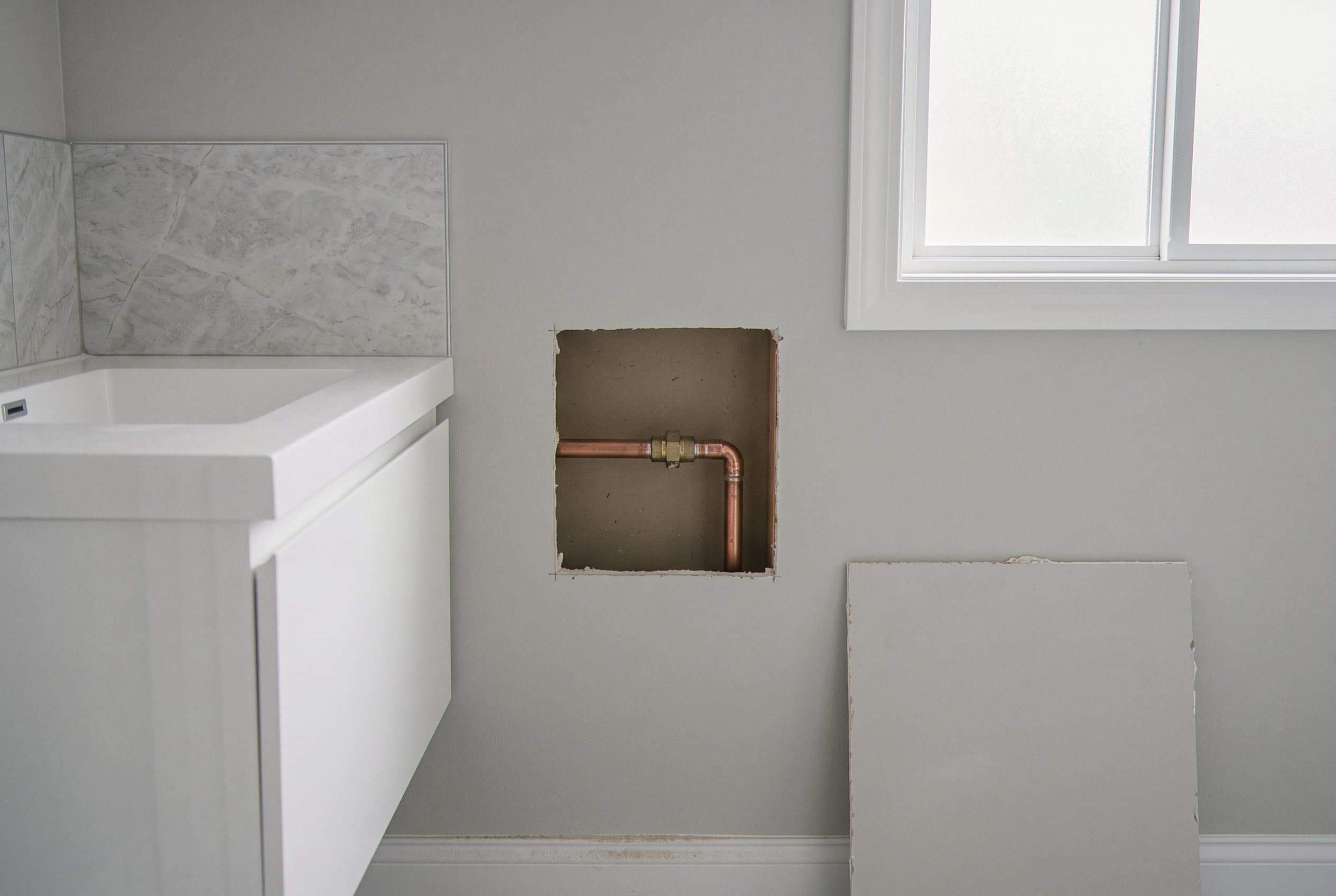
Our crew maps the wet zone before we cut into any good drywall, and we lean on a thermal camera, a pin meter, and acoustic listening gear that together find water your eyes will never catch on their own. Each tool has a job. The thermal camera reads cool, damp spots hiding inside a wall or under a floor. A pin meter shows how deep the water has soaked into the studs and the subfloor. For pressurized lines, we listen with acoustic gear for the faint hiss of water escaping under a slab or behind tile, then we check the drains, the water heater, the appliance hookups, and the roof, because any one of them can act like the others. The goal is simple. One small, exact opening over the real source. Not a wall full of guess holes. When we finish, you know where the leak is and what it takes to dry it out.
- Infrared cameras and moisture meters find the wet area behind walls and under floors before we cut a single hole.
- We pinpoint the actual source, so the repair is one targeted opening instead of a row of exploratory holes across your drywall.
- Acoustic listening gear traces pressurized supply leaks under slabs and behind tile, where there is nothing at all to see.
- We map how far the water has spread into studs, subfloor, and insulation, so no wet material gets sealed up to rot later.
- You get a plain spoken report of what we found and the dry out steps that come next, before we leave the same visit.
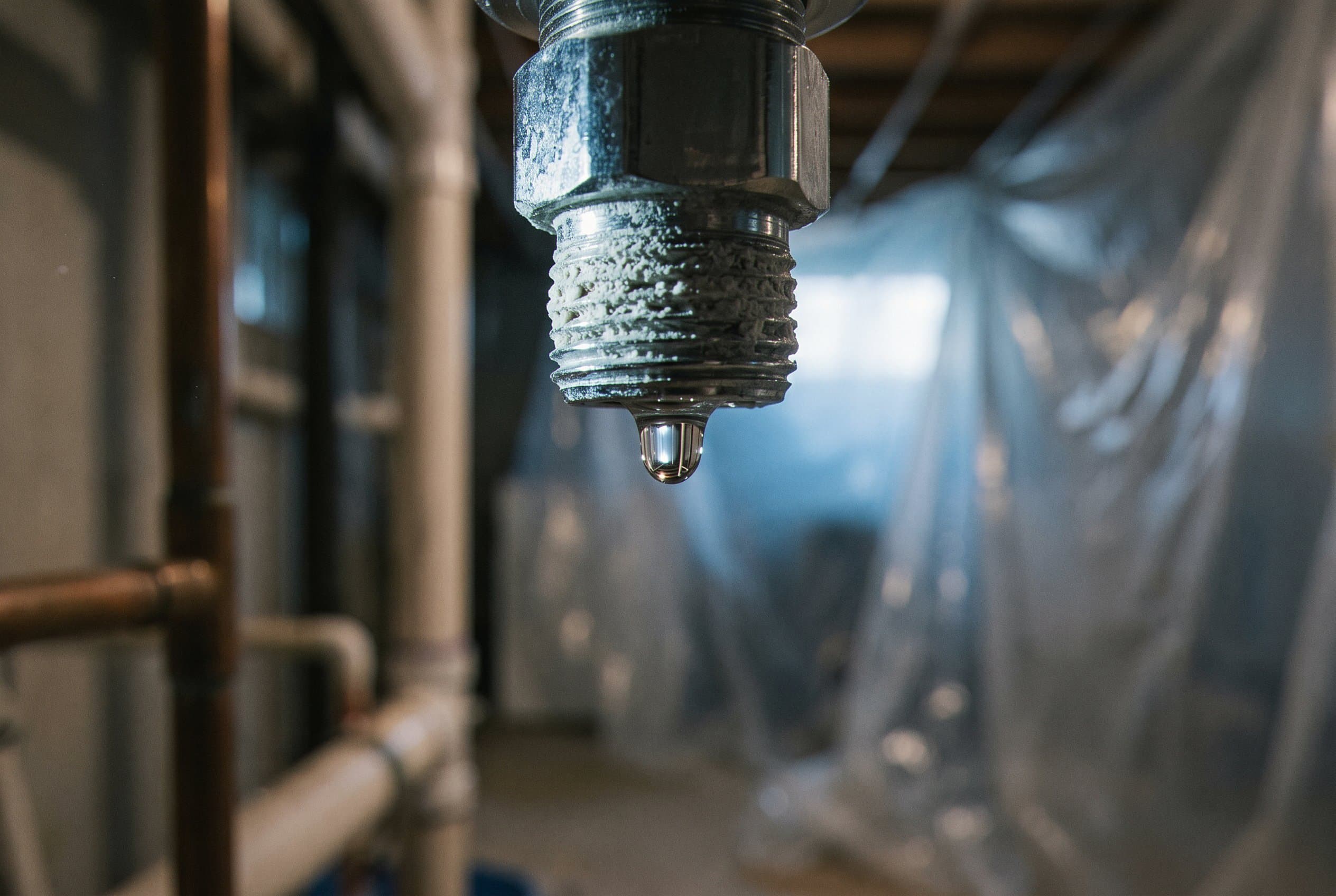
Stamford homes cover a wide age range. Older places near Shippan, Glenbrook, and the South End still run aging galvanized pipe that corrodes and weeps at the threaded joints, while newer builds across North Stamford use flexible connectors that tend to split at the crimp instead. Each one leaks in its own way. A hard winter cold snap can crack a line in an unheated crawlspace or an outside wall. Damp coastal air off the Sound keeps wet framing from drying on its own, so a small leak that nobody catches turns to rot and mold faster here than most people expect. We have seen it everywhere. Finished basements, upstairs baths, kitchen islands, and slab floors all over the city. Wherever it hides, we find it before it feeds mold or weakens the wood it sits against.
Maybe a stain keeps growing. Maybe you hear water run with every tap shut off. Maybe a damp smell will not air out, or your meter creeps with nothing on. Any of these can mean a hidden leak. Call us. We will track it down in your Stamford home, show you the source, and tell you exactly what we found.