
Water Damage Repair & Reconstruction · Stamford

Water Damage Repair & Reconstruction in Stamford

After the water is gone, we put your Stamford home back the way it was. New drywall, fresh floors, clean trim, and paint that blends right in. One crew handles the whole rebuild, from the first cut to the final coat.

Free Quote

Free Water Damage Repair & Reconstruction quote.

We reply within 1 business hour. No spam, ever.

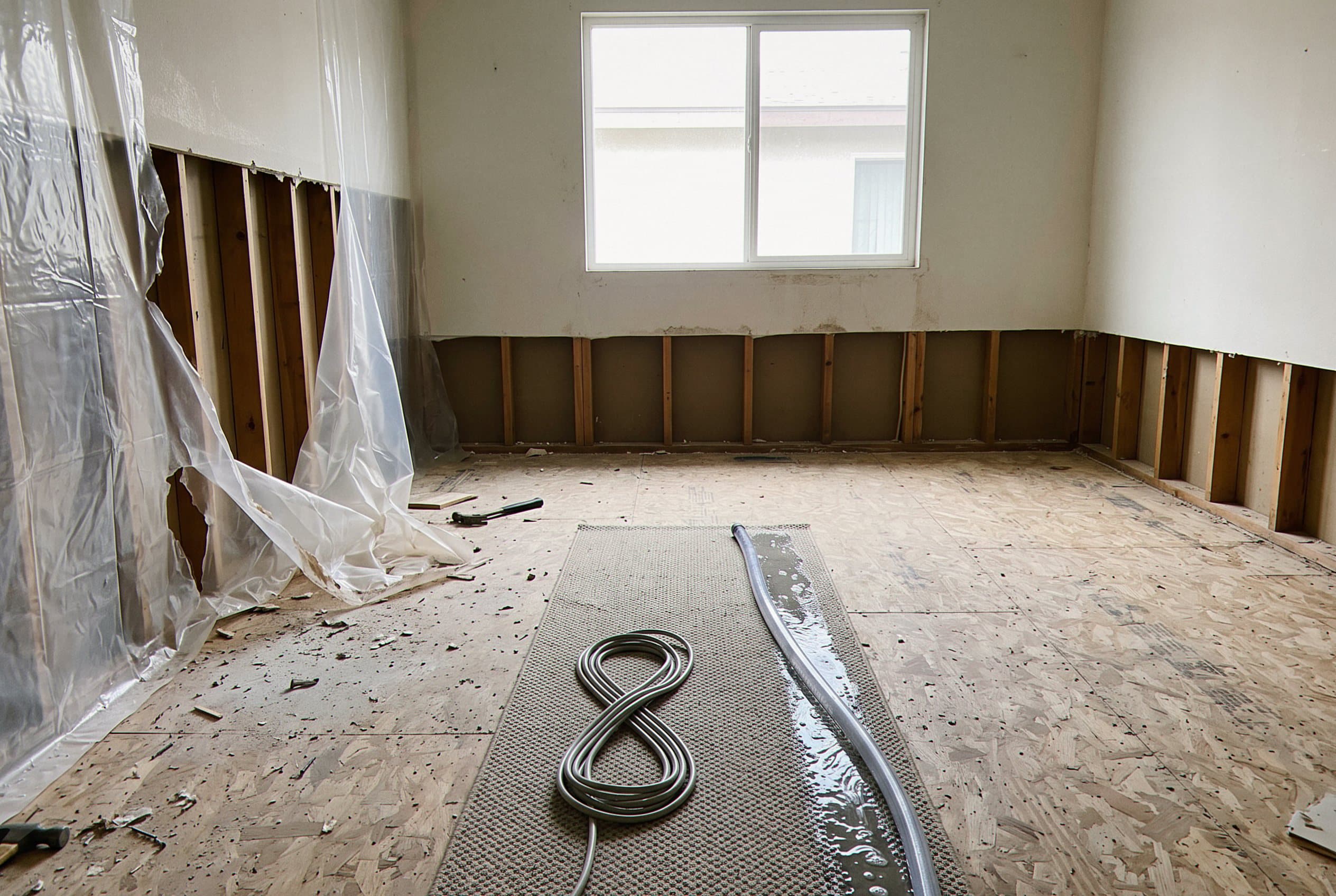
Visible damage to drywall, flooring, and trim from water
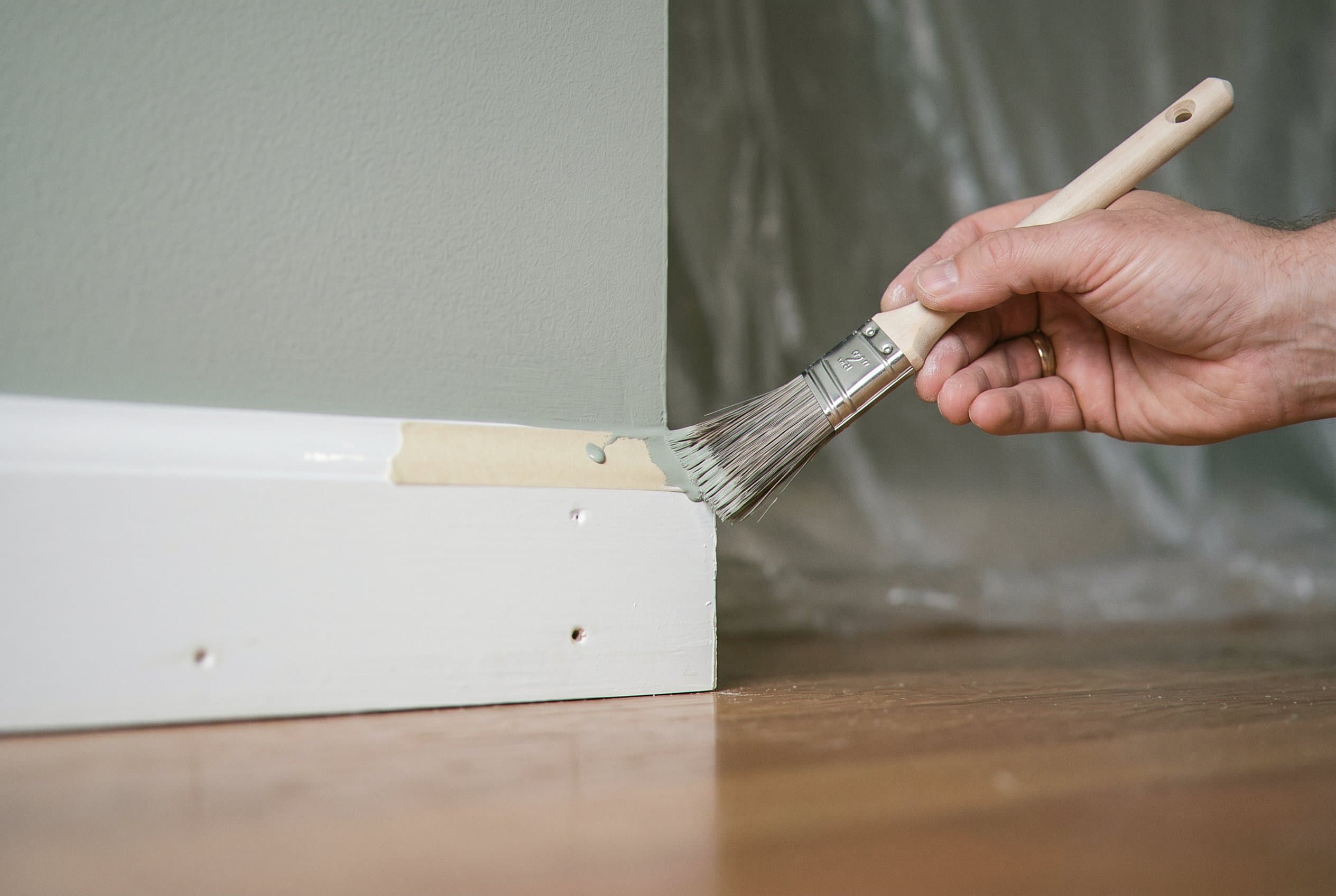
Close-up of water-ruined materials ready for removal
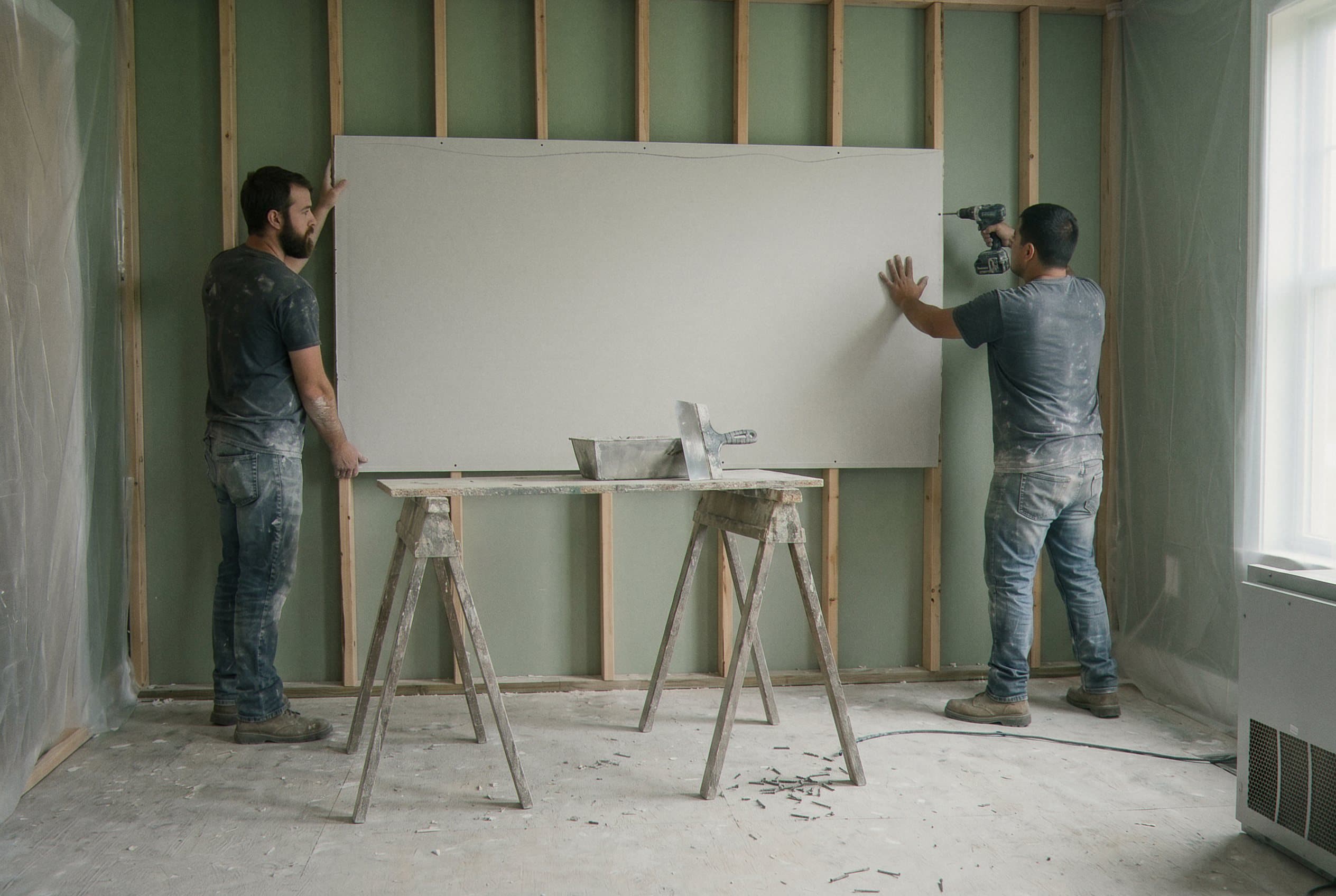
Crew replacing damaged drywall and flooring materials
What we do

We rebuild what the water ruined

When the water is out and the air is dry again, the work is only half done. The other half is making your home whole, and that is the part we handle across Stamford. First we open things up. Our crew tears out the drywall that swelled, pulls the warped flooring, strips the trim the water reached, and opens any soggy ceiling to check the framing hidden behind it. Anything that stayed wet too long comes out, because building over damp material only hides a bigger problem for later and costs you more down the road. Then we rebuild. We hang new drywall, tape the seams, sand them smooth, then prime and paint so the new wall blends into the old one without a seam you can spot. We lay new floors that match the rest of the room. We set fresh baseboards, case the doors again, and reset the cabinets we had to pull. By the time we leave, the room reads like the flood never touched it.

Most of our repair jobs start where a drying job ended. A burst pipe in a cold Stamford winter, a slow leak behind a wall, a backed up floor drain, or a storm that pushed water in from the Sound. The cause shapes the fix. Clean water from a supply line may need only new drywall and paint. A sewage backup means we cut out more, clean down to the studs, and follow IICRC steps before any new material goes in. We check moisture readings in the framing first, because new drywall over a wet stud just traps the damage. We walk the room with you, point at what stays and what goes, and tell you the order of the work before we lift a tool. We also handle the small finish work that makes a room feel done, like clean caulk lines, switch plates, and a fresh coat of trim paint. You will know what each day brings and roughly when the room is yours again.

  • We match new work to the old so the patch never stands out. Same floor, same trim, same wall texture across the room.
  • We rebuild from the studs out. New insulation, new drywall, new floor, and new trim, each layer dry before the next goes on.
  • One crew owns the whole job. The same people who open a wall are the ones who close it back up.
  • We log the damage in photos and notes as we go. That gives you a clear record to hand your insurance company.
  • We clean up every day. We contain the dust, carry the debris out, and keep your floors walkable the whole time we are working.
The flood is the bad day. Putting the house back is the part you remember, and we make it calm and clean.

We work all over Stamford and the towns next door, from Springdale and Glenbrook to Shippan Point and out toward Greenwich, Darien, and Norwalk. Coastal storms and hard winter freezes both leave their mark on Fairfield County homes, and we have put back rooms hit by each kind. Older homes near the water and newer builds inland bring different problems. We have seen both. Call us and tell us what happened. We will come look, give you a straight read on the scope, and set a start date that fits your week. One crew stays on your job from the first cut to the final coat of paint. No runaround. No vague answers. Just a clear plan to get your home back.

Ready to rebuild? Call our Stamford crew, tell us what the water did, and we will get your home whole again.

Materials

The materials we put back in, and why

Rebuild work goes sideways when somebody grabs whatever is on the shelf. We choose each material for the room it goes into. In a Stamford basement or a lower level that has taken water once, we lean on paperless drywall and mineral board near the floor, because paper facing is food for mold if water ever comes back. Above grade, standard board is fine, and we match the thickness and the wall texture you already have so the repair disappears. Floors get the same thought. A finished lower level or a mudroom does better with tile or a waterproof plank than with solid wood. Upstairs, where the water came from a supply line and the room is dry for good, we can lay the same wood back down and refinish the whole floor so the color runs even from wall to wall.

We care just as much about what goes in behind the finish. Wet insulation stops working and holds water against the studs, so it comes out and new batts go in once the framing meters dry. We seal stained framing before the wall closes. We replace rusted fasteners, and we swap trim that swelled rather than filling and sanding a board that will never sit flat again. Paint is the last call of the job. We prime the bare patches, then roll the whole wall corner to corner so the sheen matches. Nobody wants a bright square in the middle of a living room. Small choices like those are the whole difference between a repair you notice and a room that simply looks right.

  • Moisture resistant board in rooms that have taken water
  • New insulation only after the framing meters dry
  • Flooring picked for the room, not for the catalog
  • Paint rolled wall to wall so the sheen matches
What about the alternatives?

Ways to handle the rebuild, and how they compare

Once the drying is finished you have a few ways to get the room back. Here is an honest look at each one for a Stamford home.

Full rebuild by our crew

We open the wall, prove it is dry, then hang, tape, paint, floor, and trim it with one team on the job the whole way.

Recommended

A separate contractor for each trade

It can work, though you become the scheduler, and the gaps between trades leave your room open for weeks.

Acceptable

Patching only what you can see

Fine after a small clean water spill. It hides wet framing when the water travelled farther than the stain shows.

Acceptable

Doing the finish work yourself

Handy owners can paint and set trim. Cutting out wet board and reading moisture is the part that trips people up.

Acceptable

Painting over a stained wall or ceiling

The stain bleeds back through in a few weeks, and any water still up there keeps working on the plaster.

Skip

Closing a wall before the studs read dry

New board over damp framing traps the problem, and you end up paying to open the same wall twice.

Skip
How it goes

From quote to walk-on, fast.

01

Your inquiry

Call or send the short form with what is going on at your place. A sentence or two is plenty for the first step.

02

We talk it through

We go over the situation on the phone, ask the questions that matter, and tell you what we would do next.

03

A clear plan

You get a plain-language rundown of the work, the order it happens in, and what to expect on the day.

04

The work gets done

Our crew shows up when we said, does the job, and walks you through the result before leaving.

Before you book

Fair questions about the rebuild

Owners ask us the same handful of things once the fans come out. Here are the answers we give right there on the job.

When can the rebuild start?
As soon as the framing and the subfloor read at the dry standard, and not a day before. On a single room that can be a few days after the gear comes out. We take the readings, we show them to you, and then we set a start date you can plan around.
Will the new work match the rest of my house?
That is the whole point of the job. We match board thickness, wall texture, trim profile, and floor color as close as the room allows. When a true match is no longer sold, we say so up front and walk you through the options before we order anything.
How long will my kitchen or bathroom be out of use?
It depends on how much had to come out. One wall and a floor patch is a short job. A gutted kitchen with cabinets and tile runs longer. Either way you get the order of the work and a plan for each day before we start.
Can you work with my insurance adjuster?
Yes. We photograph the damage room by room, log what came out, and write the scope in the format adjusters expect. Whether your policy pays is between you and your carrier, and we never guess at that answer for you.
Do I have to move out while you work?
Most families stay put. We set containment, vent the dust outside, and keep the work zone tight so the rest of the house stays livable. A whole floor rebuild is the one case where a few nights away makes life easier.
What if you find more damage once the wall is open?
It happens, and older Stamford homes hide plenty behind lath and plaster. We stop, show you exactly what we found, and talk the change through with you before any extra work goes on the job.
Aftercare

Protecting the rebuild after we hand the room back

New drywall and fresh floors hold up fine as long as water stays out of them. Stamford weather does not make that simple. Humid air rolls in off Long Island Sound all summer, heavy rain runs through the fall, and January cold snaps push water into places you never think to look until a ceiling stains. A short walk around the house each season catches most trouble while the fix is still small. Watch the room we rebuilt closest of all, because whatever let the water in the first time is fully capable of doing it again on the next storm.

  • Look over the fresh caulk and the paint seams about a month after we finish, and call us if anything lifts or cracks.
  • Run a dehumidifier downstairs all summer.
  • Check under the sinks, behind the washer, and around the water heater once a month, and dry any drip you find right then.
  • Wrap the pipes on exterior walls before the first hard freeze.
  • Clear the gutters and run the downspouts well past the foundation so a heavy Stamford rain drains away from the house instead of soaking in beside it.
  • Call us at the first stain or musty smell.
Visible damage to drywall, flooring, and trim from water
FAQ

Water damage repair questions, answered

How fast can you get to my Stamford home?
Our line is open at any hour. A minute promise is easy to make and hard to keep once a coastal storm has half of Fairfield County calling the same afternoon, so instead we tell you when a crew is actually leaving, and stay on the line long enough to get your water shut off.
What can I do before the crew arrives?
Close the main valve if you can get to it dry. Do not go near the electrical panel, or any outlet that is under water. Take photographs of every room before anything is moved, and get anything wooden up off wet carpet, because the finish bleeds into the pad and that stain does not come out.
Do you handle the insurance side?
We build the documentation your adjuster is going to ask for: moisture readings recorded daily, photographs by room, and a written scope covering what was removed and what was dried. We deal with the adjuster directly. Whether the loss is covered is a question only your carrier can answer, and we do not guess at it for you.
How many days does drying take?
Usually three to five. Plaster and the heavy old framing in a lot of Stamford's colonials give up water slowly, so those sometimes go longer. We are not guessing at it. We meter the wood and the drywall every day, and the equipment stays until those numbers reach the IICRC dry standard.
Should I be worried about mold?
The clock on that is roughly 24 to 48 hours from when the material got wet. Beat it and you almost always avoid mold entirely. That is why we would rather set equipment at nine at night than first thing tomorrow.
Ready when you are

Let's make your next steps easier

Tell us what is going on at your Stamford home and we will walk you through the options. One call or one short form is all it takes.

Call (475) 268-8890Make your inquiry
CallContact us